_画板-1.png)
You want to test new turf products but fear ordering a full container of an unproven model. You worry about wasting money on stock that might not sell quickly.
Yes, you can mix different artificial grass models in one container. Successful wholesalers typically load 80-90% best-selling stock and 10-20% high-end custom models. This strategy lowers risk while identifying high-profit winners. It optimizes shipping costs and inventory variety simultaneously.
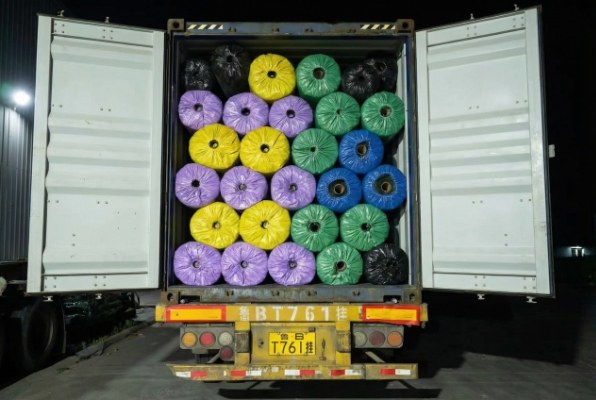
Mixing products seems complicated for logistics at first glance. However, my experience shows it is the smartest way to import for growing businesses. Let me explain why this works for your business and how to do it right.
Many importers stick to one product per load because they fear mistakes at the loading dock. This fear limits your market reach and hinders your profit potential significantly.
Different turf models absolutely can share a shipping container. In fact, my long-term partners rely on this method. They mix standard landscaping grass with specialized sports turf to balance their inventory. This flexibility allows you to meet diverse customer needs without overstocking one specific item.
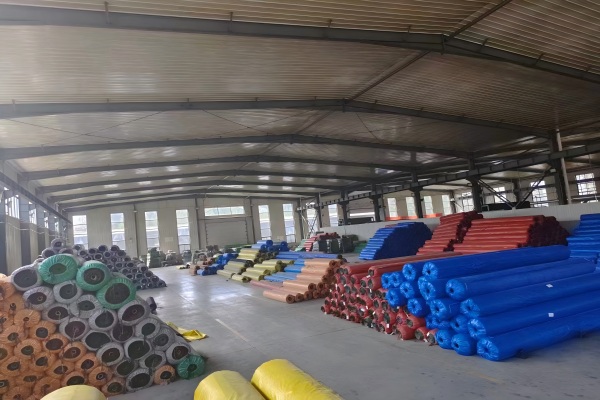
I strongly recommend this approach to my clients at QH Grass. When you import only one model, you bet everything on one price point. If the market changes, you are stuck with dead stock. My smart importer partners do it differently. They typically fill 80% to 90% of the container with "Safe Stock." These are the best-selling, regular models that you know will move fast. The remaining 10% to 20% holds "High-Profit" items. These are custom-made, high-quality models with premium features.
This mix ensures you have steady cash flow from the affordable items. At the same time, you can test the market with premium goods. If the premium goods sell, you make a massive profit margin. If they sell slowly, it does not hurt your main business because the volume is small. This is not just about saving shipping costs; it is a fundamental business strategy. You protect your specific downside and open up the upside.
| Category | Percentage of Container | Role in Business |
|---|---|---|
| Regular Stock | 80% – 90% | Cash flow, volume sales, low risk |
| Custom / Premium | 10% – 20% | Brand building, high margin, market testing |
How to Match Compatible Turf Models for Container Shipments?
Identifying your mixed goods upon arrival can be a nightmare if the factory is disorganized. You do not want to spend hours sorting rolls in your own warehouse.
To match models effectively, we limit the mix to 3-5 regular best-sellers and 1-2 high-end models per load. We then use different colored packaging bags—like red, blue, or yellow—to visually distinguish each specific model instantly during unloading.
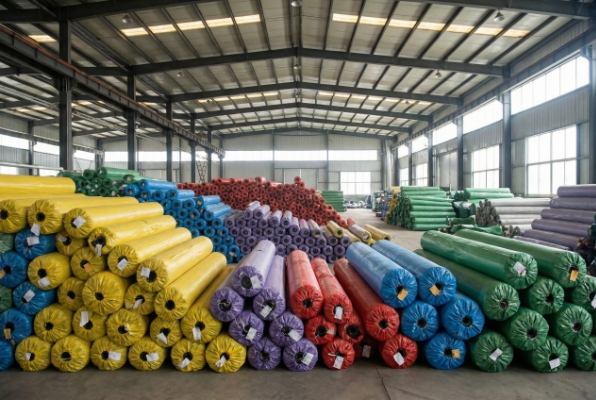
Buying mixed containers requires discipline. You cannot just throw 20 different random models in one box. That creates chaos for both my production team and your warehouse staff. A good rule is to stick to 3 to 5 different parameter models for your regular stock. For the high-end custom part, keep it to 1 or 2 specialized models. This keeps your inventory manageable.
The real trick is in the packaging. As an engineer, I know mistakes happen when every roll looks the same in white plastic. So, we use color codes. QH Grass offers packaging bags in red, blue, green, gray, black, white, yellow, orange, and purple.
When you open the container doors, you know exactly what is what. Your forklift driver saves time because he does not have to read the small label on every roll. For example, all your "Spring Series" grass comes in green bags, and your "Luxury Soft" grass comes in purple bags. This simple visual system prevents expensive shipping errors to your local customers.
| Model Type | Suggested Quantity | Packaging Strategy |
|---|---|---|
| Best Seller A | High Volume | Green Bags |
| Best Seller B | High Volume | White Bags |
| Premium Custom | Low Volume | Purple Bags |
| Budget Option | Medium Volume | Black Bags |
What Logistics Strategies Maximize Mixed Turf Shipments?
Choosing the wrong container size destroys your profit margin per square meter of grass. Many buyers rely on old habits instead of doing the math on current shipping rates.
The 40HC (High Cube) container is the premier choice for mixed turf shipments. It holds over twice as much volume as a 20GP but costs only 10-20% more in shipping fees. This maximizes your volume-to-cost ratio significantly compared to smaller or scarcer container options.
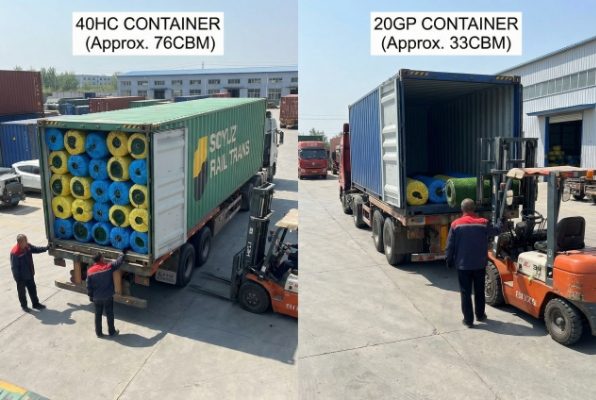
Logistics is all about unit cost. In the artificial turf industry, the volume limits us more than the weight. My long-term partners almost never use a 20GP container anymore. Why? Because the sea freight for a 40HC is only about 10% to 20% higher than a 20GP. However, a 40HC holds more than double the amount of grass. The math is simple: you pay slightly more for the box, but get almost free shipping for half your goods compared to using two small containers.
Some customers ask me about 45HC containers. They think bigger is always better. But in my experience, 45HC containers are scarce. It is very difficult to order one from the shipping lines. Even if you find one, the cost is usually more than 20% higher than a 40HC. It is not worth the trouble or the delay in booking. Stick to the 40HC. It is the industry standard for a reason. It gives you enough space to mix your regular rolls and your premium rolls without paying for empty air.
| Container Type | Shipping Cost Index | Volume Capacity | Availability |
|---|---|---|---|
| 20GP | 100% (Base) | Low | High |
| 40HC | 110-120% | High (Best Value) | High |
| 45HC | >140% | Very High | Low / Difficult |
Are There Real Project Benefits to Mixed-Model Turf Orders?
You hate seeing empty space at the top of a loaded container because that is wasted money. Standard roll lengths often leave awkward gaps that cut into your profit margins.
Yes, there are tangible benefits, specifically in maximizing load efficiency. We customize roll lengths to 5, 10, or 15 meters to fill the small gaps left by standard 25-meter rolls. This ensures the container is fully loaded and reduces product waste for specific small projects.
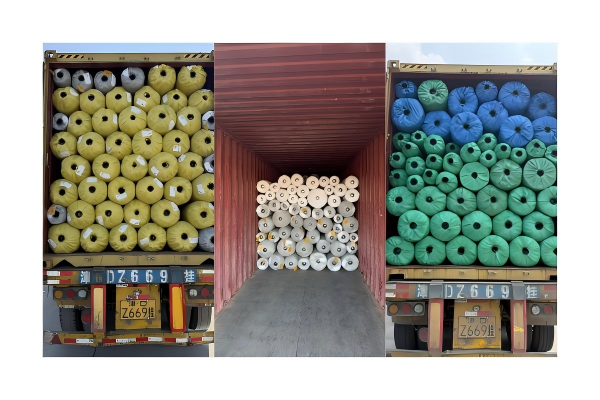
Most artificial turf comes in standard rolls. We usually produce them at 25 meters long. This is great for big fields. But when we load a container, big rolls leave gaps. A 40HC container has a specific shape. If we only use big rolls, we might ship air near the roof or the door.
I hate wasting space. It hurts your bottom line. So, I suggest a different tactic to my clients. If you want the container 100% full, allow us to cut some rolls shorter. We can produce lengths of 5 meters, 10 meters, and 15 meters. We insert these smaller rolls into the gaps. This effectively "stuffs" the container tight.
Not only does this lower your shipping cost per roll, but these short rolls are also easy to sell. Many of your customers only need a small piece for a balcony or a pet area. You do not have to cut a big roll for them in your warehouse. You sell them the pre-cut 5-meter roll directly. It saves you labor and maximizes your import volume per shipment.
| Roll Length | Placement in Container | End-Use Advantage |
|---|---|---|
| 25 Meters | Main Stack | Large Landscape Projects |
| 15 Meters | Top Layer | Medium Gardens |
| 5, 10 Meters | Gap Fillers | Balconies, Pet Areas, DIY |
Conclusion
Mixing turf models maximizes profit and minimizes risk. Use the 80/20 rule, choose 40HC containers, utilize color-coded bags, and request varied roll lengths to optimize every shipment.
_画板-1.png)