_画板-1.png)
Are you worried about the safety of your new artificial lawn? You want a beautiful, low-maintenance space, but the fear that the infill could harm your loved ones is holding you back.
The safety of turf infill depends entirely on its quality. High-quality rubber and specially treated, rounded silica sand are safe for children and pets. However, infill made from low-grade recycled materials, like old tires, can contain harmful substances and should be avoided for family areas.
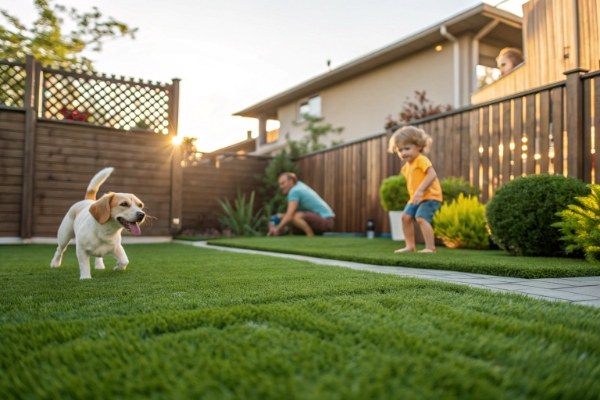
Choosing the right artificial turf is a big decision, especially when you have a family to think about. I’ve spent years in this industry, and one of the most common questions I get from customers, especially from parents and pet owners, is about the safety of the materials we use. They see the perfect green lawn but worry about what’s hidden between the blades. Let’s break down the most common concerns one by one, so you can make a choice that brings you peace of mind.
Is silica sand infill toxic?
You’ve heard that some types of sand can be dangerous, maybe something about dust. Now you’re wondering if putting it in your lawn is a mistake. You need a clear answer.
No, the type of silica sand used for turf infill is not toxic. It’s specially processed to be safe. This sand is washed, and its grains are rounded to prevent sharp edges and minimize dust, making it different from industrial sand which can be a health concern.
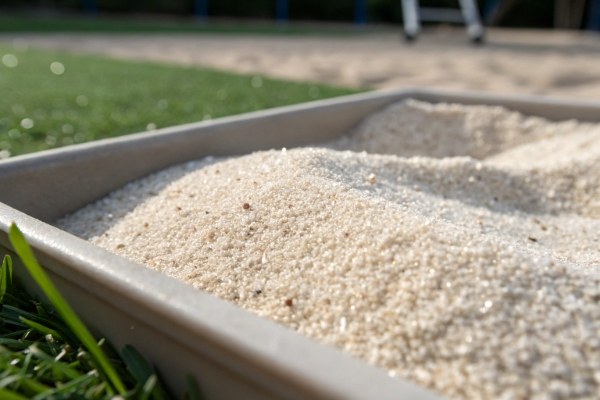
In my early days in the factory, I saw firsthand the different grades of materials that can be used. This taught me a valuable lesson: not all materials are created equal. This is especially true for silica sand. The main concern with some sand types is "crystalline silica dust1," which can be harmful if inhaled over long periods. However, the sand we use for turf infill is very different from the raw sand used in construction or industrial settings.
What Makes Turf-Grade Silica Sand Safe?
The key is in the processing. The sand goes through several steps to ensure it’s safe for residential use.
- Washing: The sand is thoroughly washed to remove fine dust, dirt, and other contaminants. This process is crucial for eliminating the risk of airborne particles.
- Rounding: Instead of having sharp, jagged edges like builder’s sand, the grains are tumbled and rounded. This makes it softer underfoot and safer for children and pets’ paws.
- Sizing: The sand is sieved to ensure a consistent particle size, which helps with drainage and prevents compaction.
To give you a clearer picture, here is a simple comparison:
| Feature | Turf-Grade Silica Sand | Industrial / Play Sand |
|---|---|---|
| Particle Shape | Rounded, smooth | Angular, sharp |
| Dust Content | Very low, washed | Can be high |
| Safety | Safe for inhalation and contact | Potential respiratory hazard |
| Purpose | Infill, drainage, stability | Construction, sandboxes |
So, when you choose high-quality silica sand designed for artificial turf, you are not putting your family at risk. You are choosing a product engineered for safety.
Is infill safe for dogs?
Your dog is part of the family. They run, roll, and even try to chew on everything. The thought of them ingesting or getting hurt by the infill is a major concern.
Yes, high-quality infill is safe for dogs. Both rounded silica sand and virgin rubber infills are non-toxic. The main things to watch for are heat on hot days, especially with black rubber, and ensuring the lawn is kept clean from pet waste.
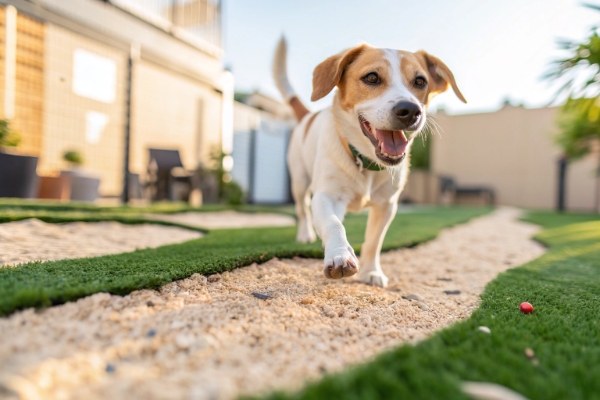
I have a golden retriever myself, and I wouldn’t let him play on anything I wasn’t 100% sure about. When it comes to dogs and turf infill, the material itself is just one part of the equation. We also have to think about how our furry friends interact with the lawn and the environment. Based on countless conversations with customers who are dog owners, I’ve learned that we need to consider a few specific points to create the perfect, safe play area for them.
Key Safety Checks for Dog-Friendly Turf
Here’s what I always tell clients to keep in mind for their pets:
- Ingestion Risk: Dogs, especially puppies, might try to eat the infill. The good news is that high-quality, non-toxic infills like rounded silica sand or EPDM rubber will simply pass through their digestive system without harm if ingested in small amounts. The key is to avoid cheap crumb rubber from tires, which can contain metals and other chemicals.
- Paw Safety: Sharp, angular sand can be abrasive to a dog’s sensitive paws. This is why I always recommend rounded silica sand. It’s gentle and won’t cause irritation, even for the most active dogs.
- Heat Retention: This is a big one. Dark-colored rubber infill can get very hot in direct sunlight and could burn a dog’s paws. Lighter-colored infills, like tan-coated silica sand or lighter shades of rubber, are a much better option as they stay cooler. On very hot days, a quick spray with a hose can cool the surface down instantly.
- Cleanliness and Odor: Proper drainage is essential. A good turf system allows urine to pass through and be washed away. Some infills even offer antimicrobial coatings2 to help prevent bacteria growth and odors, which is a fantastic feature for any pet owner.
What is the safest turf infill?
You’re faced with many choices: crumb rubber, silica sand, coated sand, TPE, EPDM. It’s confusing, and you just want to pick the one that guarantees safety for your family.
The safest turf infills are those made from new, clean materials. Rounded silica sand is an excellent, non-toxic, and naturally cooling choice. For rubber options, infills made from new TPE or EPDM materials are far safer than crumb rubber recycled from old tires.
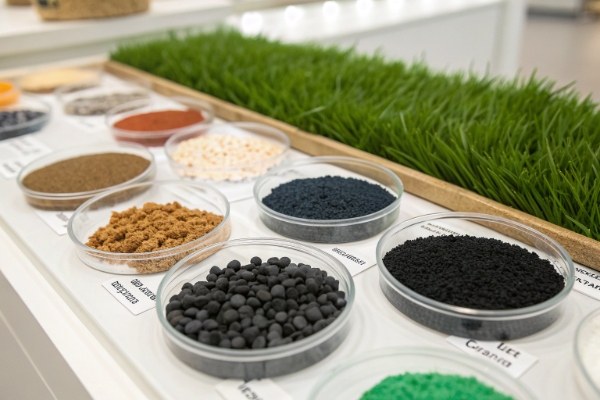
Navigating the world of turf infill can feel overwhelming. I’ve seen customers get lost in the technical terms. My advice is always to simplify it by focusing on the source of the material. The fundamental difference between a safe infill and a potentially hazardous one is where it comes from. Is it a clean, newly manufactured product, or is it processed from post-consumer waste like car tires? That’s the most important question to ask.
Comparing the Top Infill Options for Safety
Let’s put the most common options side-by-side. This is the same way I explain it to my clients when they visit our showroom, and it helps them see the differences clearly.
| Infill Type | Material Source | Safety for Kids/Pets | Heat Level | Key Benefit |
|---|---|---|---|---|
| Rounded Silica Sand3 | Natural quartz | Excellent | Low | All-natural, stays cool |
| Coated Silica Sand | Natural quartz with acrylic coat | Excellent | Low | Antimicrobial, dust-free |
| EPDM Granules4 | New, virgin synthetic rubber | Very Good | Medium-High | Great bounce, many colors |
| TPE Granules5 | New, virgin thermoplastic | Very Good | Medium | 100% recyclable, very durable |
| Crumb Rubber (SBR) | Recycled car & truck tires | Caution Advised | Very High | Contains chemicals, gets hot |
As you can see, the safest choices are the ones made from clean, controlled materials. My personal recommendation for homeowners is almost always coated, rounded silica sand. It stays cooler, it’s completely non-toxic, and the coating helps keep the lawn clean. If a customer needs the bounce of rubber for a sports area, I steer them toward virgin EPDM or TPE. The safety of your family is the top priority, and that starts with choosing the right foundation for your lawn.
Conclusion
In the end, the safety of your artificial lawn rests on the quality of the infill you choose. Avoiding cheap, recycled materials is the most important step for protecting your children and pets.
-
This resource will provide insights into the health implications of crystalline silica dust and how to mitigate risks. ↩
-
Explore the advantages of antimicrobial coatings in preventing bacteria and odors in pet-friendly turf. ↩
-
Explore the benefits of Rounded Silica Sand, a non-toxic and cooling option for safe turf infill. ↩
-
Learn about EPDM Granules, a safe and colorful option for turf infill that offers great bounce. ↩
-
Discover the advantages of TPE Granules, a durable and recyclable choice for safe turf infill. ↩
_画板-1.png)