_画板-1.png)
Struggling to find a reliable factory? Choosing the wrong supplier can lead to project delays and lost profits. A thorough vetting process is your best defense against costly mistakes.
To properly vet an artificial grass factory, you must systematically evaluate five key areas: their manufacturing capacity and quality control systems, their customization capabilities, their international logistics process, their product warranties, and their long-term B2B support. This ensures they can meet your quality, quantity, and delivery needs.

Choosing a supplier is one of the biggest decisions you’ll make for your business. Many importers and project managers feel overwhelmed by the process. They know a mistake can be costly, but they aren’t always sure what questions to ask. I’ve been in this industry for years, from the factory floor to the sales office, and I want to break down this process for you. Let’s walk through the essential checks that will help you find a trustworthy and capable partner, ensuring your next project is a success.
What Should You Confirm About Their Manufacturing Capacity and Quality Control?
Worried a factory can’t handle your order or meet your quality standards? This uncertainty can be stressful, as poor quality or production delays directly impact your profitability and reputation.
First, verify their ISO 9001 quality management certification. Second, ask for a video tour to confirm their number of production lines. Finally, always request third-party lab reports on product safety (like REACH) and UV resistance to guarantee performance and durability.
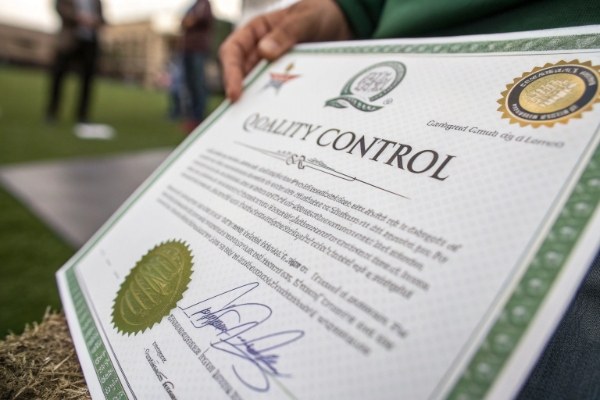
When I first started, I learned that a factory’s promises mean nothing without the systems to back them up. Vetting their operational backbone is non-negotiable. Large, famous brands often have all the top-tier certifications, but this comes at a premium price. You can find excellent quality elsewhere if you know what to look for.
Breaking Down Factory Verification
A factory’s true capability is written in its processes and its paperwork.
-
Quality Management System: An ISO 9001 certificate is the first thing I check. This isn’t just a piece of paper; it shows the factory has a structured, repeatable system for maintaining quality from raw materials to the final product. It’s the baseline for professional manufacturing.
-
Production Capacity: Don’t just take their word for it. Ask how many tufting machines and coating lines they operate. For example, a factory with several production lines can handle large orders without sacrificing lead times. I always suggest requesting a live video call to see the machines in action. This simple step confirms they are a real manufacturer, not just a trading company.
-
Product Testing and Certification: This is where you verify the product’s performance. Ask for reports on UV resistance, which shows the grass won’t fade or degrade quickly under the sun. Also, request reports for harmful substances, like REACH or RoHS, to ensure the product is safe for end-users, especially for playgrounds. We at QH Grass provide reports from trusted labs like Labosport to confirm our products meet FIFA quality standards.
Here’s a simple way to look at it:
| Verification Step | Good Sign | Red Flag |
|---|---|---|
| Certification | Provides current ISO 9001 certificate | No certification or it’s expired |
| Capacity | Shows multiple active production lines via video | Vague answers, unwilling to show the factory |
| Testing | Offers recent third-party UV & safety reports | Claims tests passed but has no reports |
What Customization Capabilities (Dtex, Color) Should You Request for Bulk Orders?
Do standard, off-the-shelf turf options fail to meet your specific project requirements? This forces you to compromise, delivering a generic solution when your client expects a perfect fit.
A flexible factory partner should offer extensive customization on yarn type, Dtex, color, and backing. For bulk orders, typically with a Minimum Order Quantity (MOQ) of around 3,000 square meters, these options should be readily available to create a unique product.

Every project has unique needs, and your product should reflect that. Whether it’s a specific shade of green to match a landscape or a higher yarn density for a high-traffic playground, customization is key. This is an area where smaller, more agile factories like QH Grass often outshine the massive corporations. We are built to be flexible. For us, custom orders are not a problem; they are an opportunity to help you succeed.
Understanding Key Customization Parameters
To create the perfect turf, you need to speak the factory’s language. Here are the main elements you can customize:
-
Yarn Properties: This includes the shape of the yarn (like C-shape for resilience or S-shape for softness) and its Dtex. Dtex, or Decitex, is the weight of the yarn in grams per 10,000 meters. A higher Dtex generally means a more durable and substantial yarn.
-
Color and Pile Height: Factories can produce turf in a wide range of colors, from various greens to specialty colors for sports fields or play areas. You can also specify the pile height, which is the length of the blades, to achieve the desired look and feel.
-
Density and Backing: You can adjust the stitch rate and gauge to control the turf’s density. For the backing, you can specify the combination of materials, such as a standard PP+Net+SBR Latex, to suit the application’s drainage and durability requirements.
Here is how these factors impact the final product:
| Customization | Primary Impact | Best For… |
|---|---|---|
| High Dtex | Durability, Resilience | Sports fields, high-traffic commercial areas |
| Custom Color | Aesthetics, Branding | Playgrounds, company logos, unique landscapes |
| Pile Height | Look & Feel, Softness | Landscaping (longer), Golf (shorter) |
| Backing | Durability, Drainage | All applications, adjusted for climate |
With a reasonable MOQ, you can fine-tune these details. And remember, ordering a full 40HC container of a single custom style will almost always secure you the most competitive price.
How Do They Handle International Logistics and Ensure On-Time Delivery?
Are shipping delays and logistical nightmares constantly threatening your project deadlines? When a shipment is late, it doesn’t just cost you time; it costs you money and credibility.
A professional factory manages logistics by using reliable container sea freight and offering clear shipping strategies. They should advise on cheaper, longer voyages for stock importers and faster, direct routes for time-sensitive installation projects, ensuring on-time delivery.
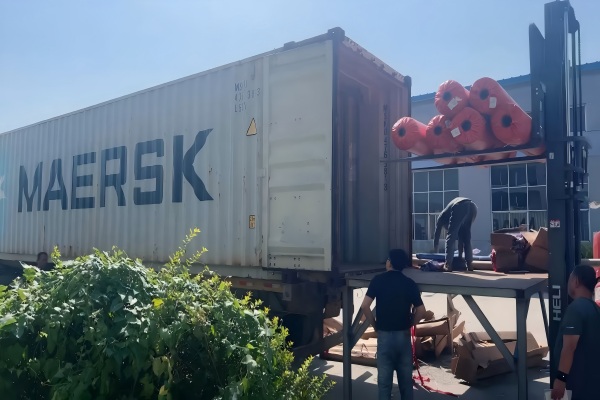
Artificial turf is big, heavy, and expensive to ship. Logistics are not an afterthought; they are a critical part of the purchasing process. I’ve seen projects go completely off the rails because of poor shipping management. A good supplier isn’t just a manufacturer; they are your logistics partner, guiding you to the best shipping solution for your specific situation. For countries bordering China, road transport is an option, but for most of my clients in the Americas, Australia, or the Middle East, we are talking about sea freight.
Choosing the Right Shipping Strategy
Your business model dictates your shipping strategy. A one-size-fits-all approach doesn’t work. A reliable supplier should understand this and help you choose the right path.
-
For Import Wholesalers: If you are stocking inventory for resale, your main goal is to maximize your profit margin. In this case, I always recommend a shipping route with a longer transit time. These voyages are often less expensive because they may involve transshipment (stopping at an intermediate port). The savings on freight costs go directly to your bottom line.
-
For Project Contractors: If you have a specific installation deadline, time is your most valuable asset. A one-week delay can have a domino effect on your entire project schedule. For you, I recommend choosing a direct shipping route. While the freight cost might be slightly higher, the reduced transit time provides a much-needed buffer. This gives you more flexibility and control over your installation and project acceptance timeline.
Here’s a comparison to help you decide:
| Shipping Strategy | Transit Time | Freight Cost | Ideal For |
|---|---|---|---|
| Indirect Route | Longer | Lower | Wholesalers, Inventory Stocking |
| Direct Route | Shorter | Higher | Contractors, Time-Sensitive Projects |
Finally, make sure your supplier is an expert in Incoterms (like FOB, CIF, DDP). This clarity on responsibilities prevents misunderstandings and unexpected costs down the line. A proactive supplier who communicates clearly about sailing schedules and potential delays is a true partner.
What B2B Warranties and Long-Term Support Should a Reliable Partner Provide?
What happens if the turf you installed starts fading or falling apart after just a few years? This nightmare scenario can lead to angry clients, costly replacements, and a severely damaged reputation.
A reliable B2B partner must provide a clear product warranty, typically for 5-8 years, that covers UV degradation and manufacturing defects. Just as importantly, they must offer accessible and responsive long-term technical support to help you resolve any issues that may arise.

A sale doesn’t end when the container arrives at your port. A true partnership is measured by the support you receive long after the invoice is paid. In my experience, the quality of a factory’s post-sale support is a strong indicator of their confidence in their own product. While big brands might offer long warranties on paper, getting a response from their huge corporate structure can be slow and frustrating. We believe in being a partner you can actually talk to. Our mission at QH Grass is to help your business grow, and that means being there to support you for the long haul.
Evaluating a Supplier’s Warranty and Support
A warranty is your insurance policy. You need to read the fine print and understand what you’re truly getting.
-
What a Good Warranty Covers: A solid warranty should explicitly cover premature degradation from UV exposure (fading) and manufacturing defects. This includes issues like unnatural loss of fibers (tuft-lock strength) or the backing falling apart. The industry standard for a quality landscape or sports turf is typically between 5 to 8 years.
-
What a Warranty Usually Excludes: No warranty covers everything. Common exclusions include damage from improper installation, lack of routine maintenance (like cleaning and brushing), use of improper chemicals, vandalism, or acts of nature. A good supplier will be transparent about these exclusions from the beginning.
-
Beyond the Warranty Document: The document itself is only half the story. The other half is the supplier’s willingness to help. Before committing, ask them about their process for handling a warranty claim. How quickly do they respond? Do they offer technical guidance to diagnose a problem? A partner who is responsive and helpful is infinitely more valuable than one who hides behind legal jargon.
Here’s a quick checklist for your evaluation:
| Support Feature | What to Look For |
|---|---|
| Warranty Length | 5-8 years for quality products. |
| Warranty Coverage | Clear terms for UV protection & defects. |
| Claim Process | A simple, clear process for filing a claim. |
| Technical Support | Access to experts for installation/maintenance advice. |
| Responsiveness | Quick and helpful replies to your questions. |
Finding a supplier who ticks these boxes means you’re not just buying a product; you’re investing in a partnership that will protect your business and help you succeed.
Conclusion
Properly vetting a factory by checking their capacity, quality control, customization, logistics, and warranty support is essential. This diligence ensures you find a reliable partner for long-term success and profitability.
_画板-1.png)