_画板-1.png)
Spring allergies ruin your outdoor time with constant sneezing and itchy eyes. Natural grass holds pollen that triggers these reactions. Artificial grass solves this problem permanently.
Artificial grass helps with allergies because it does not produce pollen. It eliminates the need for mowing, which kicks up allergens, and requires no fertilizers or herbicides. It provides a hypoallergenic surface that stays clean and reduces exposure to common triggers like grass pollen and weeds.
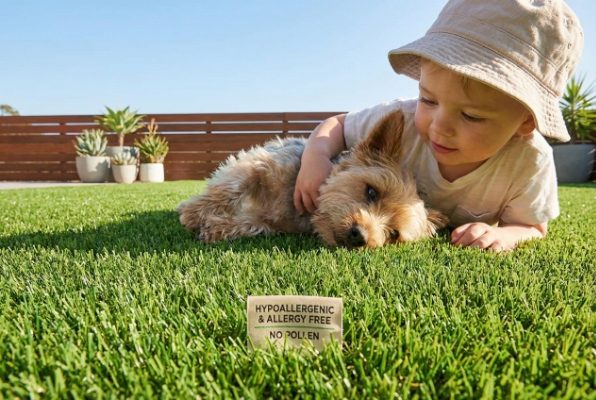
Many of my clients ask me if switching to synthetic turf really makes a difference for their health. I tell them it changes everything because the source of the problem is gone. Let me explain the specific ways this product creates a safer environment for you and your customers.
Does artificial grass have pollen?
Pollen is invisible but hits hard during peak allergy seasons like spring and autumn. Clients hate seeing yellow dust covering their shoes and clothes. You need a surface that stays clean.
No, artificial grass does not produce pollen. Natural grass releases pollen as part of its reproductive cycle, but synthetic fibers are made of inert plastic materials. This means your lawn will never contribute to the pollen count in your area or trap pollen from trees.
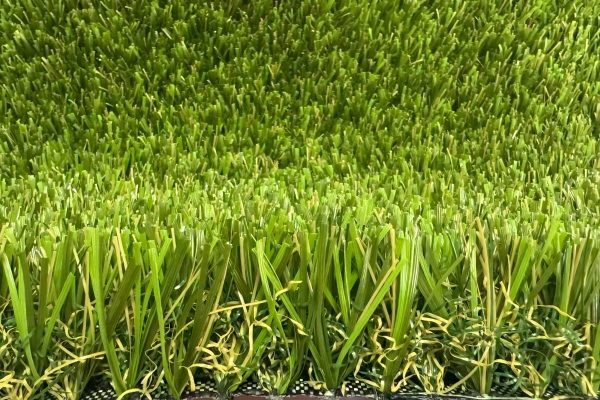
The Material Difference
In my experience as an engineer, I often explain to buyers that the material itself is the first line of defense. We manufacture artificial grass using Polyethylene (PE)1 or Polypropylene (PP). These are types of plastic. Plastic is inert. It does not grow. It does not have a reproductive cycle. Therefore, it is biologically impossible for artificial grass to produce pollen. When you buy turf from my factory, you are buying a product that stays the same year-round. It does not bloom in the spring. This is a major selling point for families who suffer from hay fever.
Eliminating the Mowing Factor
The biggest issue with natural grass is not just the grass itself, but how we maintain it. When you mow a natural lawn, you are not just cutting grass. You are throwing pollen, mold spores, and dust into the air. This creates a cloud of allergens. I have seen many people get sick right after mowing. With artificial turf, there is no mowing. The allergic particles stay on the ground or wash away with rain. You remove the action that forces allergens into your nose and eyes.
Controlling Weeds
Weeds are another major source of pollen. In a natural lawn, weeds mix with the grass. It is hard to remove them all. In high-quality artificial turf, we use a strong backing system. This backing acts as a barrier. It stops weeds from growing up through the turf. If you install the turf correctly with a weed barrier2 cloth underneath, you reduce weed growth by almost 100%. This means fewer plants in your yard are making pollen.
| Feature | Natural Grass | Artificial Grass |
|---|---|---|
| Material Source | Living plant (releases pollen) | Inert Plastic (PE/PP) |
| Pollen Production | High (Seasonal) | None |
| Spreading Mechanism | Mowing spreads pollen | No mowing required |
| Weed Growth | Common (adds more pollen) | Inhibited solely by backing |
Can Artificial Grass Help Prevent Asthma?
Asthma attacks are scary and limit outdoor activities for many people. Chemicals and dust are major triggers hidden in natural lawns. You want a safe yard that protects sensitive lungs.
Yes, artificial grass helps prevent asthma by removing common triggers. It requires no pesticides, herbicides, or fertilizers that often irritate lungs. Additionally, it reduces dust and mold growth, creating a cleaner air environment for people with respiratory sensitivities.
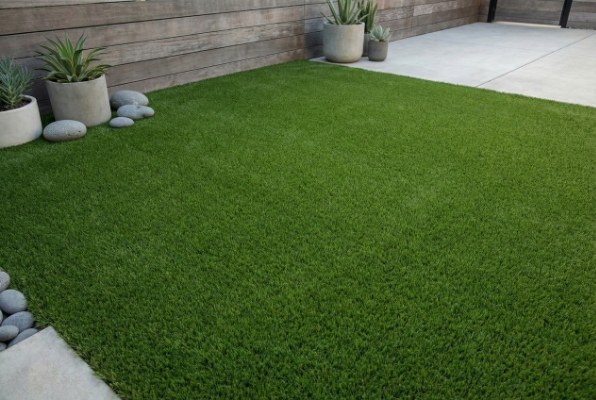
The Danger of Garden Chemicals
From my time managing foreign trade sales, I know that many buyers look for eco-friendly certificates. This is because end-users are worried about health. Natural grass needs food to grow. People use fertilizers. Natural grass gets sick. People use pesticides. Natural grass gets weeds. People use herbicides. These are all strong chemicals. For a person with asthma, the smell of these chemicals alone can trigger an attack. Artificial grass needs none of these. You install it, and it stays green. You do not need to spray poisons on the ground. This creates a chemical-free zone3 that is safe for children and pets to play on.
Reducing Dust and Dirt
I often inspect the backing of our turf to ensure it holds the fibers tight. But the backing does something else, too. It covers the soil. In a natural garden, dry soil turns into dust. Wind blows this dust into the air. Dust is a very common asthma trigger. When you cover the dirt with artificial turf, you trap the soil underneath. You stop the dust from flying. Also, good quality turf does not degrade quickly. It does not break down into micro-dust. This keeps the air quality in the backyard much cleaner than a dry natural lawn.
Preventing Mold with Drainage
Mold is a silent enemy for asthma sufferers. Natural grass holds water. If the soil stays wet, mold grows at the roots. You cannot see it, but you breathe it in. Artificial turf is designed with drainage holes. I make sure our production line punches these holes correctly. This allows water to drain away very fast. The surface dries quickly after rain. Because the turf fibers are plastic, they do not absorb water. Mold cannot eat plastic. Without moisture and food, mold cannot grow effectively.
| Asthma Trigger | Natural Lawn Risk | Artificial Lawn Solution |
|---|---|---|
| Chemical Fumes | High (Fertilizers/Pesticides) | Zero chemicals needed |
| Dust Particles | High (Exposed soil) | Covers soil completely |
| Mold Spores | High (Retains moisture) | Fast drainage design |
| Grass Clippings | High (Airborne waste) | No clippings exist |
Conclusion
Artificial grass effectively stops allergy symptoms by eliminating pollen sources and dangerous chemicals. It provides a clean, safe space for asthma sufferers to enjoy the outdoors without health risks.
_画板-1.png)