_画板-1.png)
Do you worry about your unsold artificial grass going bad in the warehouse? Wasted stock eats your profits fast. I will show you exactly how to store turf safely to protect your investment.
Artificial turf can usually be stored in a dry, cool warehouse for 2 to 3 years without quality loss. To maximize shelf life, keep rolls horizontal, avoid moisture to prevent mold, and protect them from direct sunlight. Proper storage ensures the UV warranty remains valid after installation.
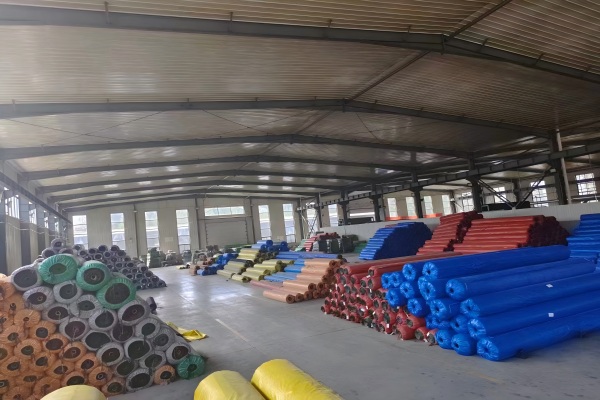
Many clients ask me if buying bulk stock is risky. They fear the grass will degrade before they sell it. This is a valid concern for any business owner. I have seen good products ruined by bad habits. Let me explain the details so you can buy with confidence.
What Is the Shelf Life of Artificial Turf and What Factors Affect It?
You buy a container of grass, but sales are slow. Will the product rot or fade before it reaches the customer? Here is the truth about grass longevity and what hurts it.
Standard artificial turf has a shelf life of 2-3 years if stored indoors. Factors reducing this include UV exposure, humidity causing mold, and pests. While installed grass lasts 5-10 years, stored grass needs protection from the elements to maintain that potential lifespan.
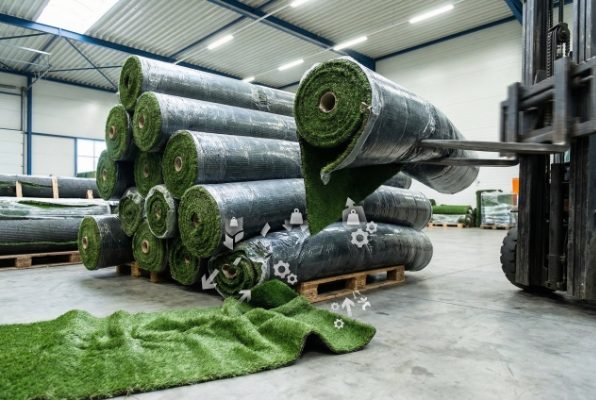
I have worked in this industry for many years. I often see customers confuse shelf life with service life. Shelf life is how long it stays in the box. Service life is how long it lasts on the ground.
If you keep artificial turf in a dry and cool warehouse, it stays good for 2 to 3 years. This storage time does not hurt its life after installation. The life of the grass after you install it depends on the Material Warranty (UV resistance).
Here is a simple breakdown of UV warranties I see in the market:
| Material Type | Warranty Period | Usage Context |
|---|---|---|
| Recycled Materials | 1 Year / None | Temporary use, very cheap |
| Standard Virgin PP/PE | 3 – 5 Years | Landscaping, budget projects |
| High-Grade Virgin PP/PE | 5 – 8 Years | Sports fields, premium landscape |
| Top Tier (UV Stabilized) | 8 – 10 Years | Professional sports, harsh climates |
However, bad storage kills the grass before you sell it. Several things cause damage:
- Improper Stacking: This causes wrinkles and bulges. The grass will not lay flat later.
- Dampness: This leads to mold. Mold smells bad and looks terrible.
- Nature: Long-term outdoor storage exposes the rolls to sun and rain. This uses up the UV warranty while the roll sits on the pallet.
- Pests: This is a real danger. I once visited a warehouse and saw termites. They ate the corroded wooden pallets. Then, they attacked the artificial turf. I have also seen mice gnaw on the backing of the turf. You must keep the warehouse clean.
How Should Artificial Turf Be Stored Before Installation or Sale to Prevent Damage?
A messy warehouse leads to damaged goods and lost money. You do not want to explain wrinkles or burns to your angry customers. Here is how to avoid those problems.
Stack turf rolls horizontally on clean, flat surfaces to distribute weight evenly. Never stack vertically or cross-stack, as this causes permanent creases. Ensure the warehouse is dry to stop mold, and implement strict fire safety measures, as fire is the biggest risk to your inventory.
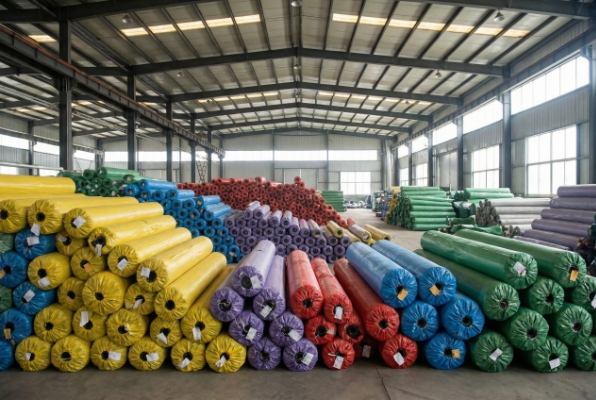
Storage seems simple, but small mistakes cause big losses. Based on my experience as an engineer and sales manager, I have specific rules for stacking.
Proper Stacking Techniques:
- Horizontal Only: Always lay the rolls down on their side.
- Even Weight: Make sure the rolls are aligned. The weight must be spread out.
- No Cross-Stacking: Do not stack them in a hashtag (#) shape. This puts too much pressure on small points. It crushes the yarn.
- No Vertical Stacking: Never stand the rolls up on the end. This bends the edges. The roll will become a cone shape.
Environmental Controls:
You must control water and fire. Water damages the paper tubes inside the rolls. If the tube collapses, you cannot use the machine to unroll the grass. A humid warehouse also invites mold.
The Danger of Fire:
This is the most important warning I can give you. Artificial turf is plastic. We say it is "fire-retardant," but that only means a cigarette won’t burn the whole field. A real fire source will melt the turf immediately.
I have a sad story about this. In early 2023, I shipped three containers to our partner in Jeddah, Saudi Arabia. They started selling the product. Less than a month later, their warehouse caught fire. Fortunately, everyone was safe. But over 90% of the goods were damaged. The heat melted the rolls together. They became unsaleable. It was a huge financial loss. Please, check your warehouse fore fire hazards every day.
How Do You Store Excess or Leftover Artificial Turf and What Are the Best Disposal or Recycling Options?
Cutting grass for customers leaves you with many small pieces. Do you throw them away and lose profit, or keep them? I have a method to turn waste into value.
Re-roll any usable leftover lengths tightly and store them horizontally to prevent wrinkles. For pieces too small to sell, cut them into 40x60cm rectangles for promotional gifts or smaller squares for product samples. This turns potential waste into valuable marketing tools.
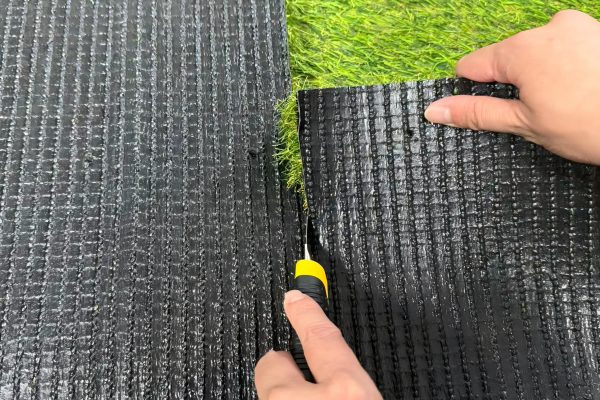
If you are a distributor or installer, you cut rolls every day. You will have leftovers. Managing these leftovers effectively helps you maintain profit margins.
Handling Medium Pieces:
Sometimes you sell 20 meters from a 25-meter roll. You have 5 meters left.
- Do not leave it loose on the floor.
- Roll it up tight immediately.
- Tape it securely.
- Stack it properly with other short rolls.
If you leave it loose, it gets wrinkles. Wrinkles are very hard to fix on short pieces.
Handling Small Scraps (Dead Stock):
Sometimes you have pieces that are too short to sell. Maybe 1 meter or less. Do not throw them in the trash. You paid for this material. You should get value from it.
I recommend two uses for these scraps:
- Promotional Gifts: Cut them into pieces about 40x60cm. This is the size of a door mat. When a customer buys a large order, give them a free door mat. They love this. It builds good relationships.
- Sales Samples: Cut them into A4 size or small squares. Use these as samples for new customers. Samples cost money to make. If you make your own from scraps, you save money on marketing.
This approach solves your disposal problem. It also helps your marketing. You turn a disposal cost into a marketing asset.
Conclusion
Store your grass in a dry, flat place to keep it fresh for years. Prevent fire and pest damage to avoid disaster. Turn your leftovers into samples to save money.
_画板-1.png)