_画板-1.png)
Struggling with flat, worn-out turf? Proper infill is the simple fix that protects your investment and keeps your grass looking perfect for years to come.
Generally, you should top up your artificial grass infill every 6 to 24 months. The exact time depends on factors like foot traffic and weather. Regular checks are key to maintaining the performance, feel, and look of your turf and extending its lifespan.
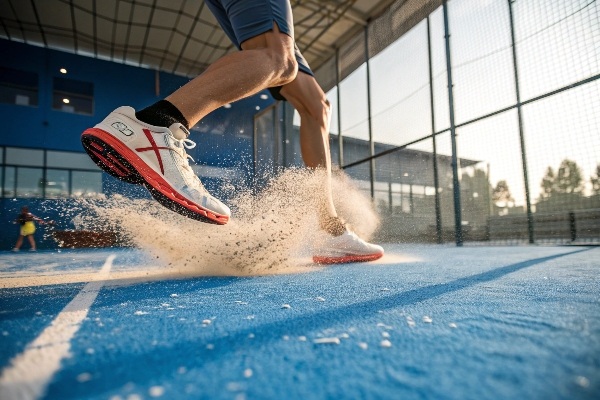
I have helped many clients over the years, and one of the most common questions I get is about maintenance. They invest in high-quality turf and want to make sure it lasts. The good news is, maintaining artificial grass is simple. And the most important task is managing the infill. It’s a small job that makes a huge impact on performance and longevity. So, let’s dig into the details to keep your turf in top condition.
What Is Artificial Grass Infill and Why Does It Matter?
Confused about the sand or rubber granules in turf? It’s not just filler. This material is critical for your artificial grass’s performance and long life.
Artificial grass infill is the granular material spread between the grass blades. It provides stability, supports the fibers, and improves shock absorption. Without it, your turf would quickly flatten, wear out, and feel unnatural, losing its resilience and beautiful appearance.
In my early days as a turf engineer, I saw firsthand what happens when infill is overlooked. A client once installed a beautiful landscape lawn but decided to skip the infill to save a little money. Within a year, the high-traffic areas were completely flat. The grass blades couldn’t stand up on their own, and the whole area looked worn and old. This experience taught me a valuable lesson. Infill isn’t an optional extra; it’s a core component of the turf system.
The Core Functions of Infill
Infill does several important jobs that protect your investment.
- Ballast and Stability: Infill adds weight to the turf, holding it in place and preventing it from shifting or developing wrinkles. It ensures the grass lies flat and smooth across the entire surface.
- Fiber Support1: The granules surround the base of each grass blade, helping them stand upright. This is what gives artificial grass its lush, full, and natural look.
- Cushioning and Safety2: Materials like rubber granules provide shock absorption. This makes the surface safer and more comfortable to walk or play on, which is especially important for playgrounds and sports fields.
Common Types of Infill
You have several choices for infill, and each has its own benefits.
| Infill Type | Key Benefits | Best For |
|---|---|---|
| Silica Sand | Most common, affordable, provides good stability | Landscaping, low-traffic areas |
| Rubber (SBR) | Excellent shock absorption, high durability | Sports fields, playgrounds, high-traffic zones |
| TPE | Non-toxic, recyclable, good elasticity | Playgrounds, premium sports applications |
| Organic | Cools the surface, eco-friendly | Landscaping, pet areas, homeowners |
Choosing the right infill is just as important as choosing the right turf. It directly impacts the feel, safety, and durability of the final installation.
How do I know if my artificial grass needs infill?
Is your artificial grass looking a bit tired or flat? Don’t worry, the signs of low infill are easy to spot. Here’s what to look for.
You’ll know it is time to add more infill when the grass blades start lying flat and don’t spring back up. You may also feel an uneven surface or see the black turf backing peeking through the fibers, especially in high-traffic areas.

I often visit client sites for follow-up inspections. On one occasion, a customer called me, concerned that his sports field was "wearing out too fast." When I arrived, a quick walk on the field told me everything I needed to know. The surface felt hard, and I could see the turf backing in the goal areas. The problem wasn’t the turf quality. It was a simple lack of infill. We organized a top-up, and the field was back to its prime condition in no time. Checking for low infill is a simple diagnostic you can do yourself.
A Simple Inspection Routine
You don’t need special tools to check your infill levels. Just use your eyes and hands.
Visual Inspection
Walk around the entire area, paying close attention to paths, entrances, and play zones.
- Look for Flat Fibers: Are the grass blades lying down instead of standing up? If brushing doesn’t make them pop back up, you likely need more infill.
- Check for Exposed Backing: Gently part the grass fibers with your fingers. You should see a good layer of infill covering the black backing. If you can see the backing easily, your infill level is too low.
The Feel Test
Walk across the turf barefoot or with soft-soled shoes.
- Uneven Surface: Does the lawn feel lumpy or inconsistent? This can happen when infill migrates away from high-use spots.
- Hardness: A well-infilled lawn should have a slight give to it. If the surface feels hard and unforgiving, it needs more cushioning from infill.
By performing these simple checks every few months, you can catch low infill levels early and address the issue before it causes any long-term damage to the grass fibers.
How to Maintain Optimal Infill Levels for Long-Term Performance?
Want to ensure your turf stays in top shape for years? A simple maintenance routine is all it takes. Let’s go over the key steps.
Maintain optimal infill by regularly brushing the turf to keep it evenly distributed. Every 6-24 months, inspect the depth and top up low spots. For high-traffic areas, check more frequently to prevent premature flattening and wear.
One of the best pieces of advice I give my customers is something we do in our own production facility to test turf durability3. Even for products marketed as "infill-free," we often add a small amount of quartz sand. We found this significantly improves the resilience and uprightness of the fibers under stress. It’s a simple trick that adds a huge amount of durability, especially for sports fields or busy commercial areas. This same principle applies to long-term maintenance.
The Topping-Up Process
Adding more infill is a straightforward job.
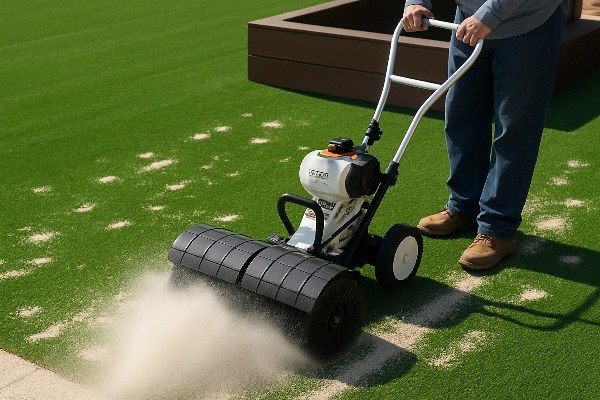
- Brush the Grass: First, use a power broom or a stiff-bristled brush to sweep the grass fibers. Go against the grain to help them stand up straight. This also helps loosen any compacted existing infill.
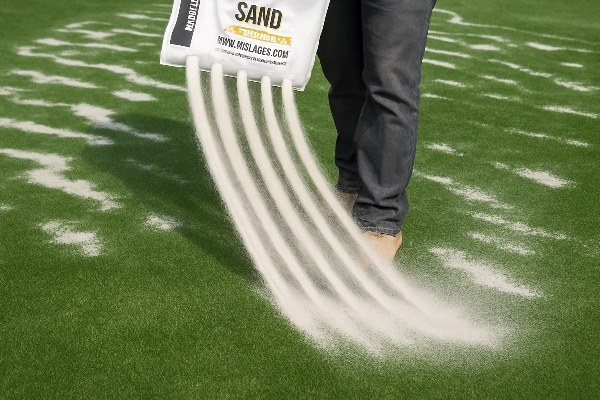
- Apply New Infill: Use a drop spreader to apply a thin, even layer of new infill over the target areas. It is important to use the same type of infill that was originally installed.
- Brush It In: After spreading the infill, brush the area again. This works the new granules down to the base of the turf, right where they need to be. Brush in multiple directions to ensure even distribution.
A Note on "Infill-Free" Turf
Many modern turf products have a high density and a strong thatch layer, which allows them to be installed without infill. These are great for many applications. However, if conditions allow, adding a light layer of infill like quartz sand can still be very beneficial.
- Enhanced Uprightness: The sand provides extra support to keep the fibers standing tall, even with heavy use.
- Improved Durability: Infill acts as a protective layer for the turf’s backing and fiber base, reducing friction and wear. This is a huge benefit for sports fields that see intense activity.
This small step can turn a good installation into a great one, maximizing the lifespan and performance of your artificial grass.
Conclusion
Regular infill maintenance is a simple and crucial step. It protects your investment by ensuring your artificial grass stays upright, resilient, and beautiful for its entire lifespan.
-
Discover how fiber support contributes to the natural look and durability of artificial grass. ↩
-
Explore how cushioning in infill enhances safety and comfort for various applications, especially in sports and playgrounds. ↩
-
Discover expert tips on enhancing turf durability, which is crucial for maintaining the appearance and performance of your artificial grass. ↩
_画板-1.png)