_画板-1.png)
Your artificial turf in busy spots looks flat and tired. This ruins your project’s appearance and leads to costly replacements. I’ll show you how to pick turf that lasts.
To choose durable turf, focus on a high Dtex yarn, which means the yarn is stronger. Select resilient yarn shapes like Diamond, S, or U-shape. Also, insist on a quality Latex or PU backing for strong tuft lock. Adding infill provides another layer of protection for the fibers.
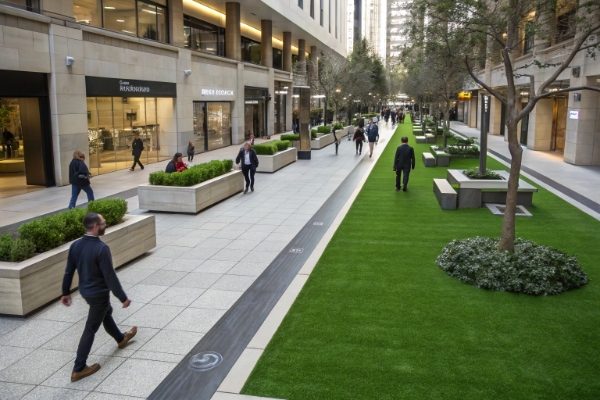
Choosing the right turf is more than just picking a color or pile height. In my years as an engineer, I’ve seen many projects succeed or fail based on the initial product choice. A beautiful lawn that can’t handle daily foot traffic is a liability, not an asset. You need a product built for the specific demands of your space. Let’s break down exactly what you need to look for, so your investment pays off for years to come.
Why Does High-Traffic Turf Need Special Considerations?
You might think all artificial turf is the same. But heavy, constant use wears it down very fast, leading to repairs and replacements. Let’s look at why these areas need a tougher product.
High-traffic areas face constant foot pressure and friction. This flattens and wears out standard turf fibers quickly. Special considerations are needed for turf to withstand this abuse, stay upright, look good, and ensure safety and longevity, protecting your investment.

When we talk about high-traffic areas, we mean places like school playgrounds, public parks, commercial entryways, or sports fields. These areas experience a lot more than just people walking over them. They endure running, jumping, and pivoting. This intense activity creates two major problems for turf.
Constant Pressure and Matting
First, there’s the constant pressure1. Every footstep compresses the grass fibers. Standard turf fibers are not designed to bounce back thousands of times a day. Over time, they lose their resilience and begin to lie flat. This is called matting, and it makes the turf look old and worn. I once consulted for a school that installed a beautiful, soft turf on their playground. Within a year, the main pathways and the area under the swings were completely flat because the yarn couldn’t handle the pressure.
The Impact of Abrasion
Second is abrasion. This is the friction caused by shoes rubbing against the fibers. It acts like sandpaper, slowly wearing down the material. In high-traffic zones, this constant grinding can shred weaker fibers and even cause them to break off from the backing. This not only looks bad but can also create an uneven and less safe surface for users. That is why tougher materials and stronger construction are not just a recommendation; they are a necessity.
Which Materials and Construction Features Guarantee Long-Term Performance?
Turf technical specification sheets can be confusing. It is hard to tell what really matters for durability. I will show you the exact materials and construction features that guarantee long-term performance.
Look for high Dtex yarn, at least 8000, for stronger fibers. Choose resilient shapes like Diamond, S, or U-shapes that spring back up. A robust dual-layer backing with a heavy Latex or PU coating is also essential for locking fibers firmly in place.
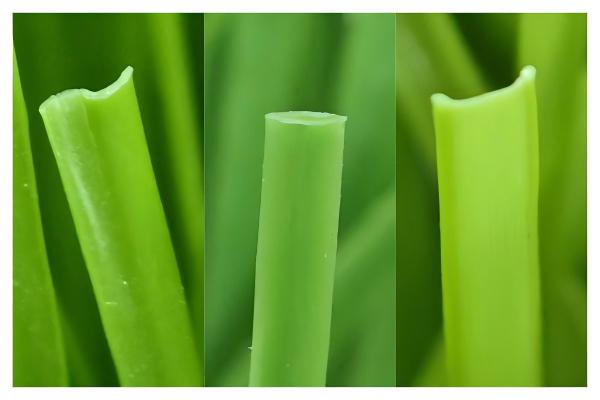
After years of factory work and customer site visits, I can tell you that long-term performance comes down to a few key components. You need to look past the surface-level specs like color and pile height and focus on the core engineering of the turf.
The Importance of Yarn
The yarn, or grass fiber, is the part of the turf that takes the most direct abuse. Its durability depends on its weight and shape.
- Dtex (Decitex): This measures the weight of the yarn. Think of it like a thread count for fabric. A higher Dtex means a thicker, heavier, and more durable yarn. For high-traffic areas, I never recommend anything below 8000 Dtex.
- Yarn Shape: Flat yarns will mat down quickly. Look for yarns with a shape that provides a "spine" for extra resilience. Diamond, S-shape, and U-shape (or C-shape) yarns are engineered to stand upright and resist pressure.
- UV Protection: Ensure the yarn has high-quality UV inhibitors mixed in. This prevents the sun from making the fibers brittle and faded over time.
Don’t Forget the Backing
The backing is the foundation of the turf system. If the backing fails, the entire product fails. It is responsible for holding the yarn tufts in place, a property we call "tuft lock strength". A strong tuft lock prevents fibers from being pulled out during heavy use. For demanding environments, you need a two-layer backing coated with high-quality Latex or, for even better performance, polyurethane (PU). PU is more resistant to moisture and temperature changes.
| Feature | Standard Turf | High-Traffic Turf | Why It Matters |
|---|---|---|---|
| Yarn Dtex | 4000-7000 | 8000-16000+ | Higher Dtex means thicker, stronger yarn. |
| Yarn Shape | Flat / Simple C | Diamond / S / U | A "spine" helps fibers spring back up. |
| Backing Coating | Light Latex | Heavy Latex or PU | Prevents fibers from being pulled out. |
How Do You Evaluate Turf Samples Before Making a Purchase?
Receiving a turf sample is one thing. But knowing how to test it is another. A poor choice made from just looking at a sample can cause big problems and costs later. Let me show you some simple tests.
Don’t just look at the sample, test it. Try to pull a few fibers out to check the tuft lock strength2. Bend it backward to see how much backing is visible. The less you see, the denser the turf is. The yarn should feel resilient, not soft and flimsy.

When suppliers send me samples, I don’t just put them on my desk. I perform a few simple, manual tests to understand their real quality. These are the same tests I teach my clients, so they can feel confident in their purchase. You don’t need a lab, just your hands and a discerning eye.
The Pull Test
This is the most critical test. Grab a small tuft of grass fibers between your thumb and forefinger and pull straight up, hard. If one or two fibers come loose, that can be normal. But if the whole tuft comes out or several fibers pull out easily, you are looking at a product with weak tuft lock. This is an immediate red flag for me. In a high-traffic area, this turf will shed fibers and develop bald spots quickly. A quality product will resist your pull strongly.
The Density Check
Now, take the sample and fold it in half backward, with the grass fibers facing out. Look down the rows of stitching. Can you see a lot of the black backing between the rows? The more backing you see, the less dense the turf is. A dense product offers more fibers per square meter, which provides better support, coverage, and resilience. I once had a client who chose a less dense product to save some money. Two years later, it had matted down so badly it looked like a threadbare carpet. He had to pay for a full replacement. Look for a sample that shows minimal backing when you bend it.
What Maintenance Ensures Maximum Lifespan in Demanding Environments?
You think your durable turf needs no care. But neglect in high-traffic areas shortens its life significantly. I will share simple maintenance steps that will protect your investment for years.
Regularly brush the area to keep fibers upright. Clean debris and spills promptly. Most importantly, check and maintain proper infill levels3, as the infill protects the fibers’ base from wear. Also, avoid sharp objects and harsh chemicals4 like chlorine on the turf.

Even the toughest artificial turf needs a basic level of care to perform at its best for a long time. Proper maintenance is not complicated, but it is critical. It ensures the surface remains safe, looks great, and lasts for its full expected lifespan. From my experience, the biggest factor in premature wear is a lack of maintenance, especially regarding the infill.
The Role of Infill
Infill, usually silica sand or rubber granules, is not just there to weigh the turf down. Its main job is to support the base of the grass fibers. It provides stability, helps the fibers stand upright, and absorbs the impact from foot traffic. The infill takes most of the wear and tear, protecting the yarn itself. In high-traffic areas, infill can get displaced or compacted. It is essential to check infill levels regularly and add more when needed. Low infill is the number one reason I see high-quality turf fail early.
Regular Brushing and Cleaning
Regular brushing with a stiff, synthetic broom (or a power broom for larger areas) is very important. This does two things. First, it lifts the grass fibers and prevents them from matting down. Second, it helps to redistribute the infill evenly across the surface. You should also keep the area clean from leaves, dirt, and other debris. Finally, be careful with chemicals. Spilling things like chlorinated disinfectants can discolor the turf and even damage the backing over time. Clean all spills quickly with mild soap and water.
Conclusion
Choosing durable turf means focusing on the right yarn, backing, and infill. A smart choice upfront saves money and ensures a great-looking project for years to come. That’s our QH goal.
-
Learn how constant pressure impacts turf performance and maintenance, helping you make informed decisions for your investment. ↩
-
Understanding tuft lock strength is crucial for ensuring the durability and quality of your turf. Explore this link to learn more. ↩
-
Understanding infill maintenance is crucial for prolonging the life of your turf. Explore expert insights on optimal infill management. ↩
-
Avoiding harsh chemicals is vital for turf health. Find out which substances can damage your turf and how to care for it safely. ↩
_画板-1.png)