_画板-1.png)
Project deadlines loom, but your turf delivery is late, costing you money and reputation. I will share strategies to get your artificial grass on schedule, every single time.
To secure timely delivery, you must vet your supplier’s production capacity, confirm their inventory, and plan logistics well in advance. For large projects, order the turf before starting site work. This allows manufacturing and shipping to happen while you prepare the ground, syncing everything perfectly.
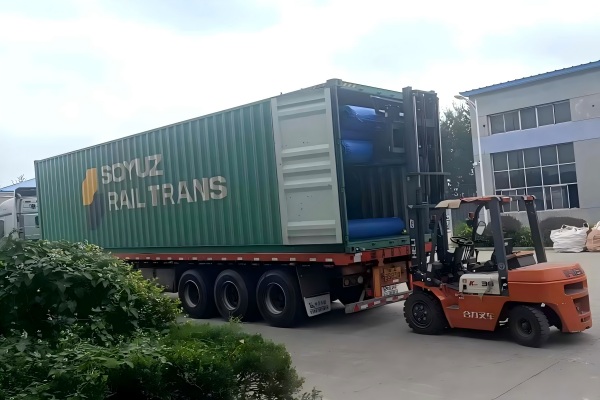
Getting your turf on time is more than just a convenience; it’s a critical part of your business success. A delay can have a ripple effect, causing problems far beyond the initial missed deadline. Let’s break down why this is so important and what you can do about it. The right plan makes all the difference.
Why Does Timely Turf Delivery Make or Break Commercial Projects?
A small delivery delay seems minor. But it leads to idle crews, broken schedules, and financial penalties. Let’s look at why on-time delivery is absolutely critical for your success.
Timely delivery is critical because it directly impacts your project’s profitability and reputation. Delays lead to increased labor costs for idle crews, potential contract penalties, and a loss of client trust. A single delay can disrupt your entire installation schedule, damaging your business’s reliability.
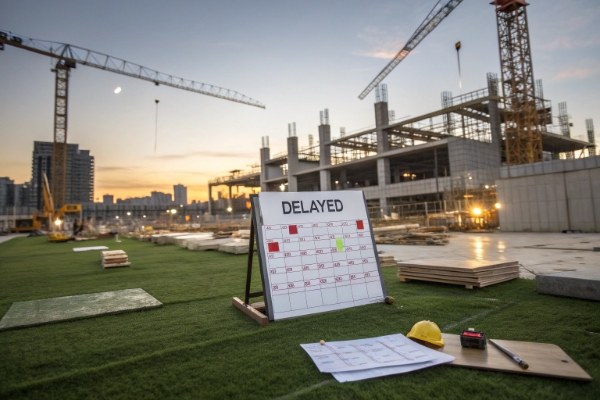
I’ve seen projects get derailed by a late shipment. A client of mine was installing a new sports field for a school with a fixed opening day. The turf was just one week late, but it caused a chain reaction. The installation crew was on-site with nothing to do, but he still had to pay them. The school had to postpone its opening event, which damaged my client’s reputation in the community. A delay is never just a delay; it’s a direct hit to your wallet and your good name.
Financial Impact
The most obvious cost is financial. You are paying for labor and equipment that are sitting idle. If your contract has a penalty clause for delays, you could also be facing hefty fines.
Reputational Damage
Reputational damage is harder to measure but can be more destructive. A single failed project can make it difficult to win future bids. Clients talk, and a reputation for being unreliable is hard to shake.
| Cost Category | Impact of a 1-Week Delay |
|---|---|
| Idle Labor | Paying a full crew for 5 days of inactivity |
| Extended Equipment Rental | Extra fees for machinery sitting unused |
| Contract Penalties | Fines for missing the project completion date |
| Reputational Cost | Loss of client trust and future business referrals |
How Do You Choose a Supplier That Actually Delivers On Time?
Every supplier promises on-time delivery, but many fail. This leaves you managing an upset client. I will teach you how to spot a truly reliable manufacturing partner from the start.
Choose a supplier by verifying their production and inventory capacity. Ask for real-time production schedules and proof of past on-time shipments. A transparent partner will share their logistics process and have clear communication channels. Don’t just trust their words; check their track record.

When I was first starting out, I learned this lesson the hard way. I chose a supplier based on price alone and they promised a four-week lead time. Eight weeks later, I was still waiting and making excuses to my client. Now, I tell everyone to dig deeper. A reliable supplier’s capability is not just about their machines; it’s about their systems. They should be able to show you their production schedule and provide clear, honest updates. A good partner has a dedicated logistics team that manages everything from the factory door to your project site. Their history of success is your best guarantee for the future.
Assessing Production Capacity
Ask for a virtual or in-person tour. See the number of tufting machines and coating lines they operate. A large, well-organized factory is a good sign. The factory’s production and inventory capacity determine the project’s timeliness and reliability.
Checking Their Track Record
Ask for references and case studies from projects similar to yours. A confident supplier will be happy to connect you with past customers and share shipping documents from previous orders.
| Vetting Checklist Item | What to Ask For | Red Flag |
|---|---|---|
| Production Capacity | Video tour of the factory; machine count | Vague answers, no clear numbers |
| Inventory Levels | Real-time stock list for standard products | Claims "everything is in stock" all the time |
| Past Performance | Shipping documents from recent projects | Unwillingness to share references or proof |
| Communication | Direct contact for the logistics manager | Your only contact is a salesperson |
What’s Your Delivery Coordination Playbook for Success?
You’ve ordered the turf and are now just hoping for the best. This lack of control is stressful and risky. Let’s create a proactive playbook to manage the delivery process.
Your playbook is to sync your site work with the turf’s production and shipping timeline. Order the turf before you break ground. Use the 4-6 week shipping time to complete site preparation like grading and base installation. This way, the site is ready the moment the turf arrives.
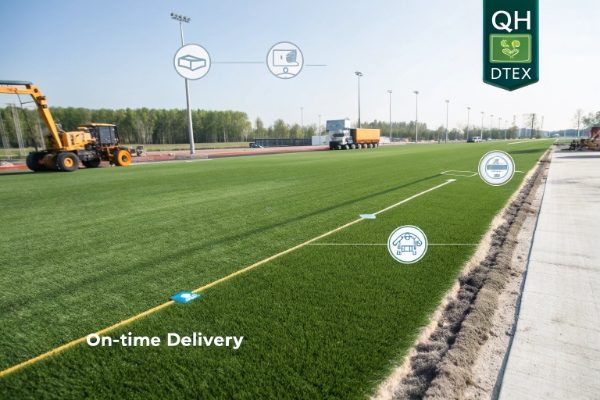
This is the single most effective strategy I share with my clients, especially for large sports field projects. Don’t wait. The moment your project is confirmed, place the artificial turf order. The manufacturing and sea freight process can take over a month. This shipping window is your golden opportunity. While the grass is on its way, your team should be on-site doing all the preliminary work. You can complete the excavation, install drainage, and lay down the sub-base. By running these two major tasks at the same time, you cut weeks from your total project timeline. The key is to stay in constant communication with your supplier for production and shipping updates.
The Pre-Order Phase
Finalize your order and confirm the production timeline with the factory. Get an estimated date for when the goods will leave the port.
The In-Transit Phase
Once the turf ships, get the container number and vessel details. You can track its progress online. Use this time to finish all your site prep so there are no delays on your end.
| Project Timeline – Parallel Strategy |
|---|
| Week 1-2: Finalize turf order and payment with the supplier. Production begins. |
| Week 1-4: Your crew begins site excavation and drainage installation. |
| Week 3-7: Turf is shipped from the factory. You get regular tracking updates. |
| Week 5-8: Your crew completes the sub-base. The site is now fully prepared. |
| Week 8: Turf arrives on-site, ready for immediate installation without any waiting. |
How Do You Handle Delivery Emergencies Without Derailing Your Project?
Even with great planning, delays can happen. Panic sets in as your project timeline starts to crumble. I’ll share clear steps to manage emergencies and keep your project moving forward.
For urgent needs, try sourcing from a local supplier, even at a higher cost. For small, custom orders with a sufficient budget, use air freight like DHL or FedEx for fast delivery. The key is to have backup options and communicate transparently with your client about the situation.
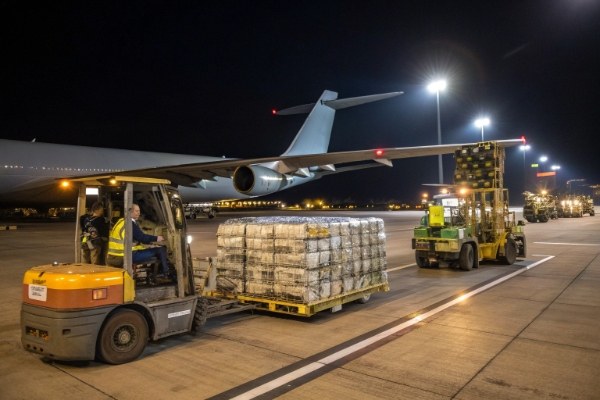
I remember a client who needed a small amount of a special brown turf for a high-profile trade show booth. The sea shipment was unexpectedly delayed at customs. With only ten days left, we had a serious problem. The quantity was just 300 square meters. We decided to produce a new batch and ship it using a DDP (Delivered Duty Paid) air freight service. It was much more expensive, but the turf arrived in 7 days and saved the show. This taught me that you must always have a backup plan. Sometimes, the added cost of an emergency solution is far less than the cost of project failure. You need to quickly analyze the situation and choose the best path forward.
Your Immediate Action Plan
First, communicate with your supplier to understand the exact cause and length of the delay. Next, inform your client immediately with a clear explanation and a solution. Transparency builds trust, even when the news is bad.
Leveraging Different Shipping Options
For an extremely urgent project, your best bet might be to find the turf locally. It will cost more, but it eliminates international shipping risks.
| Emergency Solution | Best For | Pros | Cons |
|---|---|---|---|
| Sourcing Locally | Very urgent, standard products | Immediate availability | Higher cost, limited selection |
| Air Freight (DHL/FedEx) | Small, custom, high-budget orders | Very fast delivery (5-10 days) | Very expensive, best for small volume |
| Re-routing Shipment | Port-specific delays | Can bypass a problem area | Adds time, complex logistics |
Conclusion
Securing timely delivery comes down to smart supplier selection, coordinating site prep with shipping timelines, and having a solid backup plan for unexpected delays.
_画板-1.png)