_画板-1.png)
Are you wondering if top-tier soccer is only suitable for natural grass fields? This common belief suggests that professional leagues would never risk using an artificial surface for important matches.
Yes, professional football is frequently played on high-quality artificial turf. Many top clubs and international competitions, including World Cup qualifiers and Champions League matches, use FIFA-certified artificial pitches. These modern systems are designed to replicate the performance and safety of the best natural grass fields.
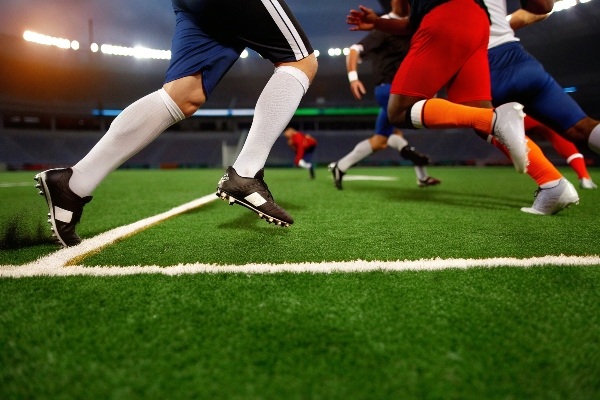
When I first started in this industry, artificial turf was mostly seen on small training grounds. The idea of a World Cup match being played on it seemed impossible. But technology has evolved dramatically. Today, the surfaces we engineer are worlds apart from those early pitches. They are now trusted at the highest levels of the sport, which is a testament to the innovation in our field. Let’s explore why this shift has happened and what it means for the game.
Does Artificial Turf Help or Hinder Player Performance Compared to Natural Grass?
Worried that artificial turf might negatively impact player skills and game flow? The old "plastic pitch" debate often brings up fears of unnatural ball bounce and poor traction.
Modern artificial turf is engineered to provide consistent and reliable playing conditions, often helping performance. Unlike natural grass, it is not affected by weather, ensuring predictable ball roll, bounce, and player footing. This consistency allows players to perform at their best without adapting to poor field conditions.
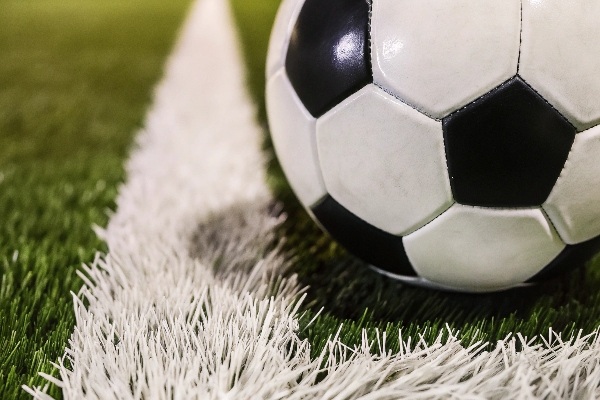
When we talk about performance, we need to break it down. It’s not just one thing. It’s about how the ball reacts and how the player interacts with the surface. I’ve spent years in our technical department working on these very details. The goal is always to mimic the ideal natural grass field. Today’s third-generation (3G) turf systems use long, soft fibers and combinations of sand and rubber infill. This design is crucial for achieving the right performance characteristics. For a professional player, consistency is everything. They need to trust that the ball will roll true and their footing will be secure, whether it’s a dry sunny day or pouring rain. A waterlogged natural pitch can completely change a game, while an artificial pitch remains constant.
Performance Comparison: Artificial Turf vs. Natural Grass
| Performance Metric | High-Quality Artificial Turf | Ideal Natural Grass | Poor Natural Grass |
|---|---|---|---|
| Ball Roll | Consistent & Predictable | Consistent | Slow & Unpredictable |
| Ball Bounce | Uniform & Controlled | Generally Uniform | Low & Erratic |
| Player Traction | Excellent & Reliable | Excellent | Slippery or Uneven |
| Weather Impact | Minimal | Significant | Severe |
This consistency is why many clubs with big budgets still choose to install certified artificial pitches, especially for their training facilities. It guarantees their multi-million dollar players can train effectively all year round.
Does FIFA allow artificial turf?
Do you think FIFA, the highest authority in football, bans artificial pitches? This common misconception might make you hesitant to invest in artificial turf for serious football projects.
Yes, FIFA not only allows artificial turf but also established the FIFA Quality Programme1 for Football Turf in 2001. This program sets global standards and certifies pitches that meet strict criteria for performance, safety, and durability, ensuring they are suitable for all levels of football.
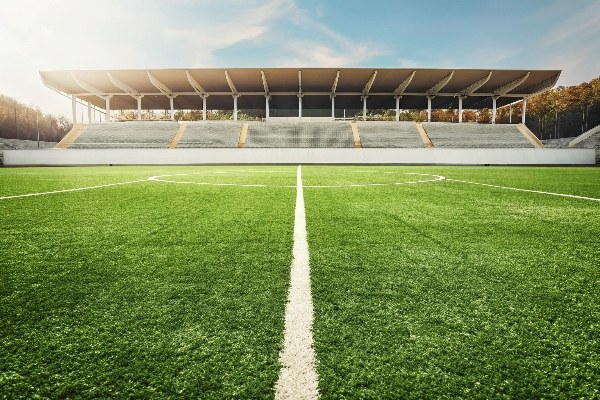
I remember a client who was bidding to build a new community stadium. A key requirement to win the contract was having a pitch that could be certified for national league games. They were unsure if artificial turf would be accepted. I explained the FIFA Quality Programme to them, and it was a game-changer. This program isn’t just a simple stamp of approval. It’s a rigorous testing process that ensures a pitch plays like a high-quality natural field. Having this certification gives everyone—players, owners, and organizing bodies—complete confidence in the surface.
What is the FIFA Quality Pro2gramme?
The program involves a series of demanding laboratory and field tests. A field must pass these tests both before installation and again once it’s laid down to earn the certification. The tests measure things like ball-to-surface interaction (how the ball rolls and bounces) and player-to-surface interaction (traction, shock absorption, and abrasion).
FIFA Quality vs. FIFA Quality Pro
FIFA offers two main levels of certification:
- FIFA Quality: This standard is designed for community and public fields that require high durability and safety for heavy use. It ensures a great playing experience for amateur and grassroots football.
- FIFA Quality Pro: This is the highest standard, replicating the playing characteristics of a world-class professional stadium pitch. It is a requirement for fields used in top-tier international competitions.
For my client, we selected a system designed to meet the FIFA Quality Pro standard. Helping them through the process, from sub-base preparation to the final testing, was a complex but rewarding experience. Seeing that field get its certification and host its first professional match was a proud moment.
Is Today’s Artificial Turf Safe and High-Performing for Professional Sports?
Still have doubts about player safety on modern artificial turf? Old stories of severe carpet burns and joint injuries on early-generation turf can be alarming and hard to forget.
Absolutely. Today’s advanced artificial turf systems are engineered with player safety as a primary focus. Through innovations in fiber softness, shock-absorbing underlays, and specialized infill materials, modern turf is proven to be a safe and high-performing surface for professional athletes.
The "plastic pitches" of the 1980s were very different. They were basically abrasive carpets laid over concrete. I’ve seen how much the technology has changed since then. The focus of my work as an engineer has always been on making the surface better and safer for players. Modern systems are a combination of several components working together to protect the athlete. The long, soft polyethylene fibers reduce skin abrasion during slides. The carefully selected rubber and sand infill provides stability and cushions impact. And most importantly, many top-tier pitches now include a shock pad layer underneath the turf. This is a special foam or rubber layer that dramatically reduces the force of impact on a player’s joints and head.
The Evolution of Artificial Turf Safety
| Generation | Surface Type | Safety Characteristics |
|---|---|---|
| 1st Gen (1960s-80s) | Short, abrasive nylon fibers on hard base. | High risk of skin abrasion (burns) and joint stress. Poor shock absorption. |
| 2nd Gen (1990s) | Longer fibers with sand infill. | Some improvement in feel, but still lacked adequate cushioning. |
| 3rd Gen (2000s-Present) | Long, soft polyethylene fibers with sand & rubber infill. Often includes a shock pad. | Significantly reduced skin abrasion. Excellent shock absorption reduces injury risk. |
The tests for certifications like FIFA Quality Pro include a Head Injury Criterion (HIC) test. This is the same type of test used to rate playground surfaces. It measures how well the surface can absorb the impact of a fall and reduce the risk of serious head injury. We can now engineer a surface that is not only consistent and durable but also verifiably safe for the world’s best athletes.
Conclusion
Professional football is indeed played on artificial turf. Modern, FIFA-approved systems offer safe, consistent, and high-performance surfaces that are trusted by top clubs and competitions around the world.
_画板-1.png)