_画板-1.png)
You want to increase your profit margins, but raw material prices keep rising. Sourcing affordable grass without sacrificing quality is a constant struggle for many importers like you.
The best strategies involve buying directly from manufacturers to utilize leftover premium yarn, choosing the correct container size (40HC) for logistics efficiency, and considering recycled materials for indoor projects. Avoid importing used turf due to inconsistent quality and hidden repair costs.
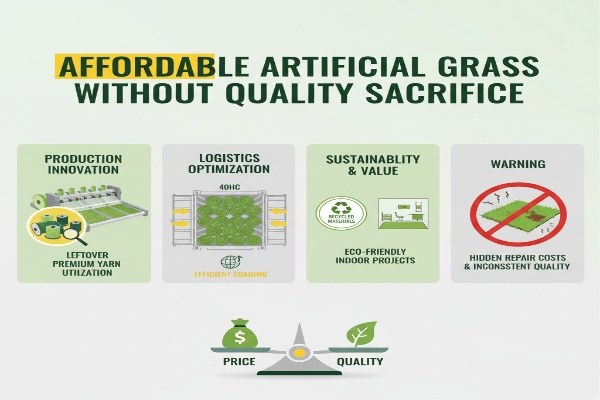
Finding the right balance between price and quality is hard. Many suppliers promise low prices but deliver poor goods that damage your reputation. I want to share the truth about sourcing to protect your business. Read on to learn the specific methods I use to help my clients save money.
Is Buying Used Artificial Turf a Viable Option for Saving Money?
You see cheap used turf offers and think about the potential profit margin. But have you considered the complaints from your customers about uneven wear and tear?
Importing used turf is risky for wholesalers. The quality varies greatly, and wear brings visible defects. Repair costs often exceed the savings of buying new, causing reputational damage.
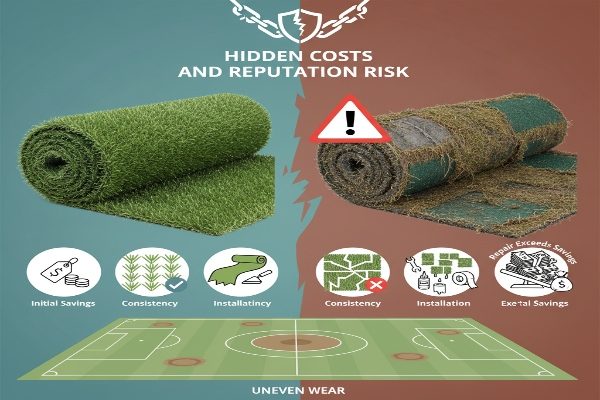
The Hidden Risks of Used Turf
For import wholesalers, I do not recommend bulk purchases of used artificial turf1 for resale. I speak from my experience in the technical department. Used products vary too much in quality. You cannot guarantee the integrity or functionality of a roll.
Some areas of a used sports field have heavy wear, while others look new. When you lay this down for a new project, the entire roll looks uncoordinated. Your customers will notice this immediately. I have seen cases where repair costs exceeded the price of new turf. This destroys your profit margin. Even if the initial price is low, the hidden costs are high. You need products that build trust, not products that require constant excuses.
| Factor | New Turf | Used Turf |
|---|---|---|
| Consistency | Uniform across all rolls | Highly variable wear patterns |
| Installation | Standard procedure | Requires patching and matching |
| Longevity | Predictable (5-8 years) | Unknown remaining lifespan |
| Total Cost | Fixed purchasing price | Low purchase price + high repair costs |
How Does Buying Directly from a Manufacturer like QH Reduce Your Costs?
Everyone claims to be a factory, but you often pay hidden middleman fees. Do you want to know a secret way to get premium custom yarn for half the price?
Buying from a flexible OEM manufacturer like QH Grass allows access to leftover yarn. We use high-quality surplus materials from custom orders to produce small batches at significantly reduced prices.
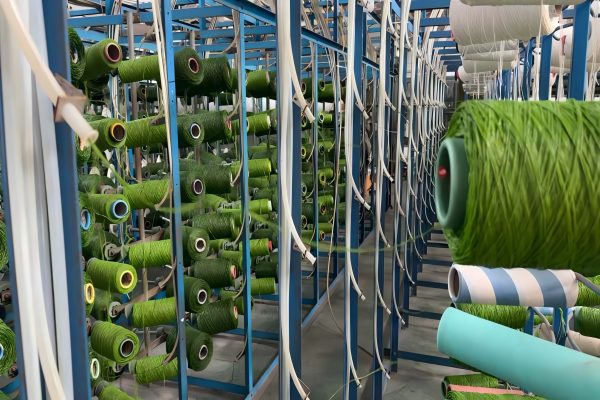
Leveraging Factory Leftovers
This is an insider tip from my time working in the workshop. As a flexible OEM manufacturer2, QH Grass inevitably generates leftover yarn3. This happens when clients request custom yarn colors or shapes. We might have materials left for 100 to 1000 square meters.
We cannot use this small amount for massive orders, but it is perfect for smaller needs. If you have similar client demands in small quantities, you can get these yarns at half price. The quality is still premium. It is the exact same material as the full-price custom order. You get high-quality custom products without the high custom price tag. This is how smart buyers maximize value. You just need to ask your sales manager about current surplus stock.
| Purchase Type | Fabrication Cost | Yarn Quality | Availability |
|---|---|---|---|
| Standard Order | Full Price | Standard Premium | Always available |
| Leftover Yarn | ~50% Discount | Custom Premium | Limited (100-1000 sqm) |
Can You Save Over 20% by Choosing Artificial Turf Made from Recycled Materials?
Your clients want green products and lower prices. Is it possible to lower your purchasing costs while marketing your turf as environmentally friendly?
Yes, using recycled yarn and PE backing lowers costs extensively. These products are eco-friendly but have reduced UV resistance, making them suitable only for indoor or short-term outdoor use.
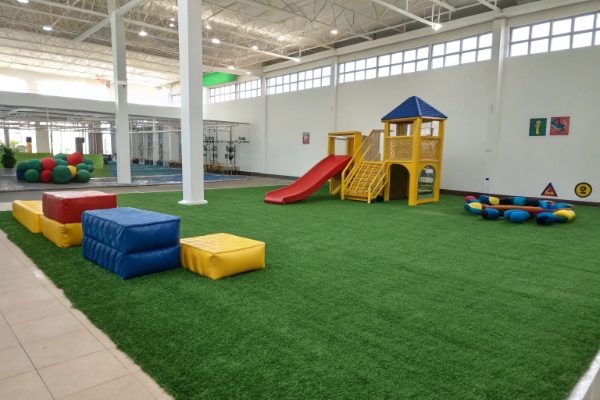
The Pros and Cons of Recycled Turf
QH Grass produces artificial turf made from recycled materials4, such as recycled yarn and recycled PE. These products are much cheaper. They are made from environmentally friendly waste. This prevents the production of harmful components.
However, there is a technical trade-off. Because the plastic undergoes irreversible degradation during recycling, its UV resistance drops significantly. If you expose it to sun and rain outdoors, it may only last 10 months to 2 years before fading or breaking. However, it works perfectly for indoor use without direct sunlight. If your clientele uses turf for exhibitions or indoor gyms, contact a QH Grass sales manager. This is a massive cost-saver for the right application.
| Component | Virgin Material | Recycled Material |
|---|---|---|
| Cost | High | Low |
| UV Resistance | Excellent (5+ years) | Poor (10 months – 2 years) |
| Best Use | Outdoor Landscapes | Indoor Events / Temporary Displays |
How Can Buying in Bulk Lower Your Artificial Grass Procurement Costs?
Shipping costs are eating up your profits. Are you choosing the wrong container size and paying unnecessary fees at the port because of poor planning?
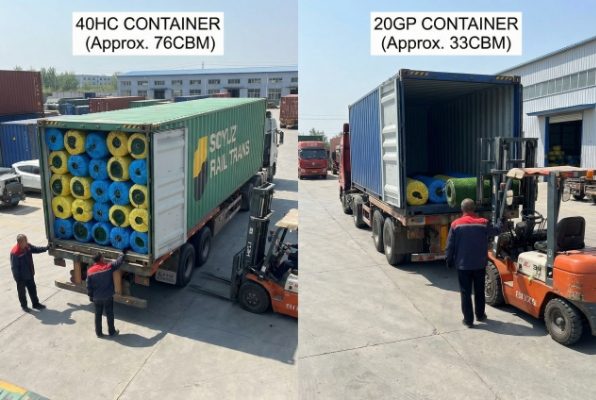
Purchasing a full 40HC container is the most cost-effective method. It maximizes volume compared to 20GP containers and avoids the extremely high port charges associated with LCL shipping.
Analyzing Container Economics
Logistics is where many importers lose money. Purchasing a full 40HC container is the most cost-effective import method. Let me compare this for you. A 20GP container has 10-20% cheaper freight, but it holds less than half the grass of a 40HC. You pay more per square meter.
A 45HC has limited availability and higher freight. LCL (Less than Container Load) has extremely expensive port charges. There is also a special trick: the 40NOR (non-operating reefer) container. These are refrigerated containers on a return trip. They load slightly less than a 40HC, but the freight rates are extremely low. If you plan your volume right, 40HC or 40NOR are your best choices for profit.
| Container Type | Capacity Efficiency | Freight Cost | Recommendation |
|---|---|---|---|
| 40HC | High | Standard | Best Value |
| 20GP | Low (Max load <50% of 40HC) | Slightly Lower | Avoid for bulk |
| 40NOR | Medium | Very Low | Excellent if available |
| LCL | Very Low | High Port Fees | Avoid |
Are Overstock and Clearance Sales a Good Way to Find Affordable Artificial Grass?
You spot a factory clearance sale and see huge discounts. Is this a golden opportunity to stock up, or is it a trap for your long-term business stability?
Clearance sales are excellent for retailers or small-batch wholesalers seeking immediate bargains. However, long-term importers should avoid this strategy as it lacks product consistency and supply stability.
Stability vs. Quick Savings
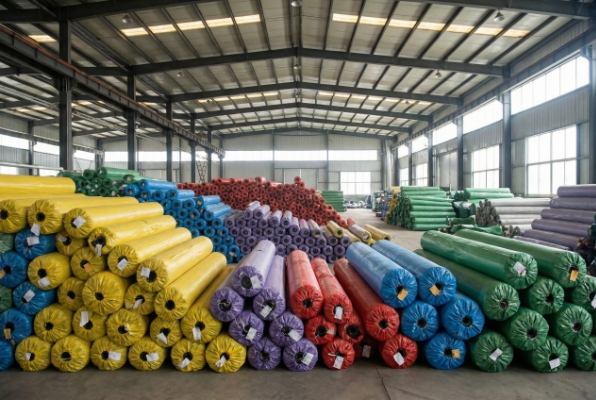
If you are a retail shop or a small-batch wholesaler, this strategy works. Choosing factories or suppliers with surplus inventory or clearance sales is a good option to save cash quickly. You can make a quick profit on a one-time deal.
However, my advice changes if you are a long-term importer or reseller. I suggest focusing on selling specific models for greater stability. Clearance items disappear. Once you sell them, you cannot order the same product again. Your customers expect consistency. If you keep changing product specs because you are chasing clearance sales, you will lose trust. Stability creates long-term profit; clearance sales only create short-term cash.
| Business Type | Clearance Sales Suitability | Reason |
|---|---|---|
| Retail / Small Batch | High | Quick turnover, immediate profit. |
| Long-term Importer | Low | Inconsistent supply destroys brand trust. |
Conclusion
To source affordably, use 40HC containers, utilize factory leftover yarn, and consider recycled materials for indoors. Avoid used turf and prioritize supply stability over one-time clearance deals.
-
Explore this link to understand the pros and cons of used artificial turf, helping you make an informed decision. ↩
-
Understanding OEM manufacturers can help you find cost-effective solutions for your custom needs. ↩
-
Exploring the use of leftover yarn can reveal sustainable practices and cost savings in production. ↩
-
Explore the advantages of recycled materials in turf, including cost savings and environmental benefits. ↩
_画板-1.png)