_画板-1.png)
Waiting for your artificial grass order is stressful. Project delays can ruin your timelines and hurt your profits. Let’s break down the real lead times so you can plan confidently.
Artificial grass lead times are a sum of production time (7-15 days) and shipping time (5-60 days). The total time from order to delivery can range from two weeks to over two months, depending on customization, order size, and shipping destination.
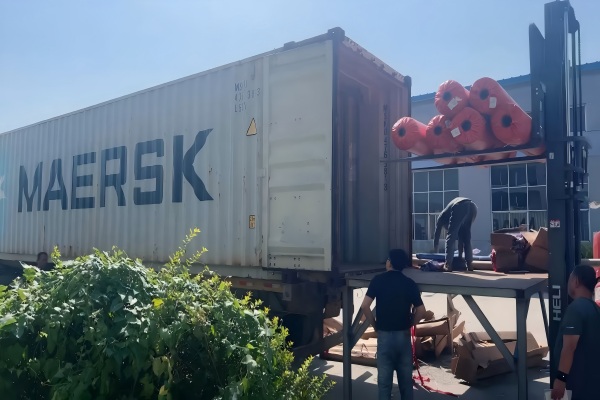
Knowing the general timeline is a good start. But many factors can change these numbers. My years in this industry, from the factory floor to managing sales, have taught me that many surprises can pop up. To really master your project schedule and avoid costly headaches, you need to understand what happens behind the scenes. Let’s dig into the details that truly affect your delivery date, so you can plan like a pro and protect your profits.
How Long Will Your Artificial Grass Actually Take to Arrive?
You placed your order, but when will it actually arrive? This uncertainty is frustrating when your business reputation and project deadlines are on the line. I’ll give you a clear breakdown.
Your artificial grass order’s arrival is a total of production time plus shipping time. For a standard order from us at QH Grass, it could be 7 days for production plus 20-30 days for shipping to North America, making the total about 4-5 weeks.
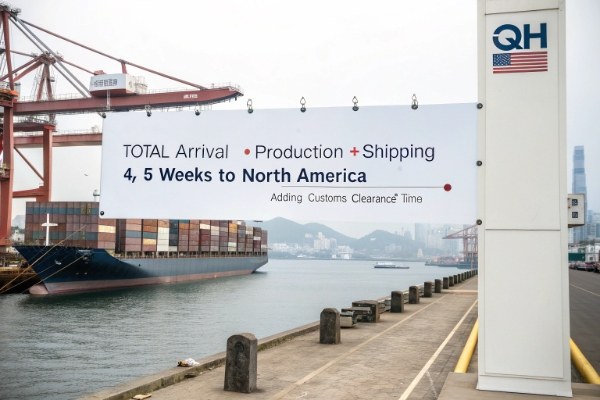
The total delivery time has two main parts. First is production, and second is shipping. You need to understand both to get a realistic arrival date. I always tell my clients to think of it as two separate projects that we need to line up perfectly.
Production Timeline
At QH Grass, we have streamlined our production. For a standard 40HC container using our regular yarn colors, we can finish production in just 7 days. If you order more, we only add about 3 days for each extra container. However, if you need custom yarn1, a special backing, or a unique color, the production time is longer, around 12-15 days. This is because we have to source and prepare these special materials first. Smaller orders, like 500-2000 square meters, usually take about 7-10 days because we group them with other orders of the same product to make production efficient for everyone.
Shipping Timeline
Once the grass is made, it has to travel to you. Shipping time depends completely on your location. From our factory’s nearest port in Tianjin, China, the sea journey varies a lot.
| Region | Estimated Shipping Time |
|---|---|
| East Asia | 5-15 days |
| North America | 20-30 days |
| Australia | 20-30 days |
| Middle East & Africa | 30-45 days |
| Europe | 50-60 days |
Remember, these are just estimates for the time on the water. You also have to add time for customs clearance at both ends.
Which Factors Are Secretly Delaying Your Artificial Grass Order?
You planned for a 4-week delivery, but it’s week 6 and still no grass. These hidden delays are costly and frustrating. Let’s uncover the secret factors that push back your delivery date.
Delays often come from custom requests for yarn or color, small order sizes that need to wait for consolidation, and peak production seasons2. Even port congestion3 and specific shipping vessel routes can secretly add weeks to your timeline.

Over the years, I’ve seen even the best-laid plans get disrupted. The key is to know where the potential problems are so you can plan for them. A simple thing like a national holiday can have a ripple effect that delays an order by over a week. Let’s look at the most common issues I’ve helped my clients navigate.
Customization Complications
Custom orders are great for creating a unique product, but they are the biggest source of production delays. When you request a custom color, we have to create a new masterbatch. If you want a special yarn shape or combination, we might need to source materials or adjust our machines. All of this adds preparatory time before we even start tufting your grass. I once had a client in Dubai who wanted a very specific shade of green for a luxury landscape project. Finding the exact pigments and getting the sample approved added nearly a week to the production schedule. We communicated this clearly, so the client was prepared, but it’s a perfect example of how customization impacts the timeline.
Production and Logistics Hiccups
Even with standard orders, things can happen. The biggest factor here is timing. Placing an order right before a major holiday like the Chinese New Year can add weeks of delay because factories and ports shut down completely. Another issue is peak season. In the spring, everyone is ordering grass, and production queues get longer. On the logistics side, things like port congestion, customs inspections, or a lack of available containers can hold up a shipment. These factors are often out of our control, but a good supplier will keep you informed every step of the way.
Local vs. International Suppliers: Who Gets Your Grass Delivered Faster?
Need grass fast? A local supplier seems like the obvious choice. But you might be paying a premium for speed you don’t actually get, especially if their stock is limited. Let’s compare the real delivery timelines.
Local suppliers offer faster shipping, sometimes within days, but their stock is often limited. International suppliers like us have longer shipping times but offer greater production capacity, wider selection, and lower prices, which can be a better overall option.

This is a classic dilemma for many of my customers, like Michael in the US or Carlos in Mexico. They need to balance speed, cost, and availability. The right choice depends entirely on your project’s specific needs. Having worked on both the manufacturing and sales sides, I can tell you that neither option is perfect for every situation. It’s a trade-off.
The Local Advantage: Speed vs. Selection
A local distributor is fantastic when you need a standard product immediately. They can often deliver from their warehouse in a matter of days. This is perfect for smaller projects or if a client makes a last-minute decision. However, the big downside is choice and price. They usually only stock the most popular products, so if you need a specific pile height or color, you’re out of luck. They also have higher overhead costs4, which means you’ll pay more per square meter. I had a customer who needed 500 square meters for a playground repair and went local because the timeline was tight. It worked out great.
The International Edge: Price vs. Patience
Buying direct from an international manufacturer like QH Grass is where you gain a huge advantage in cost and customization. Our prices are lower because you cut out the middleman. Our production capacity means we can handle huge orders that a local supplier could never fulfill from stock. For my customers who are distributors or who bid on large installation projects, buying internationally is the only way to stay competitive and profitable. The trade-off is patience. As we’ve discussed, shipping can take several weeks. But for a well-planned project, the cost savings and product variety are more than worth the wait.
| Factor | Local Supplier | International Supplier (like QH Grass) |
|---|---|---|
| Delivery Time | 1-7 days (if in stock) | 3-8 weeks (production + shipping) |
| Price | Higher | Lower |
| Selection | Limited to stock items | Nearly unlimited customization |
| Order Volume | Best for small-medium orders | Ideal for large orders & distributors |
| Consistency | Stock can vary | Consistent production quality |
Need Your Grass ASAP? Smart Strategies to Slash Your Wait Time
A project has a tight deadline, and you feel the pressure. Just waiting and hoping is not a good strategy. Let’s explore some smart ways to get your artificial grass delivered much faster.
To speed up your order, choose standard products instead of custom ones. Always confirm stock availability. For urgent projects, use direct shipping instead of a transshipment5 voyage, and communicate your deadline clearly to your supplier from the start.

I get this question all the time. A customer, let’s say James in Australia, wins a bid for a sports field that needs to be ready for the season opener. The deadline is fixed. He can’t afford any delays. In these situations, proactive planning and clear communication are your most powerful tools. Over the years, I have helped many customers in tight spots like this. There are a few key strategies that work every time.
Ordering & Communication Tactics
The simplest way to shorten your lead time is to choose from our standard product line. As I mentioned, a standard product takes us about 7 days to produce, while a custom one can take 12-15 days. That’s a full week saved right there. Before you even place the order, talk to your sales representative. Tell them, "I have a hard deadline of [date]. What can you do to help me meet it?" This opens the door for us to check production schedules, look for ready materials, and prioritize your order. A good supplier wants to help you succeed. Clear, early communication is the best way to make that happen.
Shipping Choices That Matter
This is where you can make up a lot of time. For shipping, you generally have two choices: direct shipping or transshipment.
| Shipping Method | Cost | Time | Best For |
|---|---|---|---|
| Direct Shipping | Higher | Faster, more predictable transit | Projects with tight deadlines |
| Transshipment | Lower | Slower, potential for transfer delays | Wholesale importers, non-urgent stock orders |
Transshipment means your container might be moved from one ship to another at a midway port to save costs. It’s great for distributors like Ahmed in the UAE who are building inventory and want the best price. But for a project with a deadline, you must insist on a direct vessel. It might cost a little more, but it can easily save you 1-2 weeks of transit time and uncertainty. I always recommend this for time-sensitive jobs.
Conclusion
Understanding production and shipping is key. With clear communication and smart planning, you can control your artificial grass lead times and ensure your projects succeed on schedule.
-
Explore how customizations impact delivery to make informed decisions for your order. ↩
-
Knowing peak seasons can help you time your orders to avoid delays. ↩
-
Learn how port congestion can impact your delivery schedule and what to expect. ↩
-
Understanding overhead costs can help you evaluate pricing strategies from different suppliers. ↩
-
Discover why direct shipping is crucial for meeting urgent project deadlines. ↩
_画板-1.png)