_画板-1.png)
Your expensive turf looks flat and performs poorly after heavy use. Debris accumulates, caused drainage issues that frustrate your customers. A professional brushing machine resolves these problems effectively.
Artificial grass brushing machines significantly improve the health and appearance of the turf by lifting tangled fibers, redistributing infill, and removing debris. This improves drainage, playing quality, and lifespan. Regular brushing ensures the field remains safe and visually appealing for years.
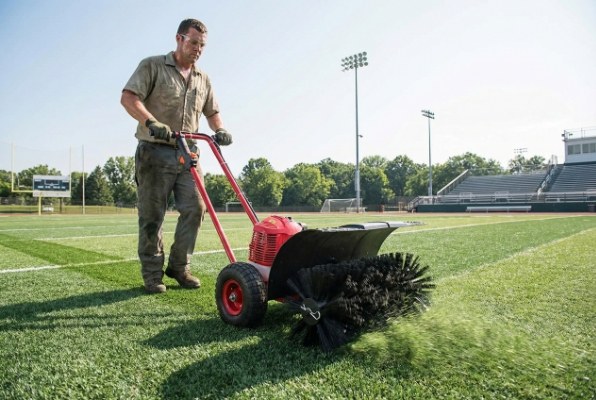
I have seen many business owners struggle with maintenance advice. Let me explain the specific impacts so you can guide your customers correctly.
Can brushing improve drainage on artificial grass?
Water pooling on the surface ruins the game and damages the base. Customers hate wet fields that take days to dry. Brushing offers a simple fix for this common layout issue.
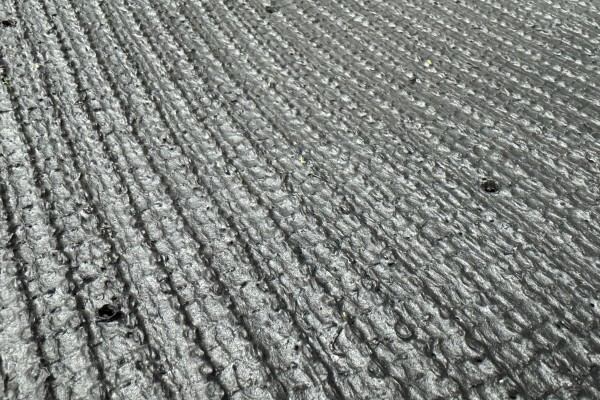
Brushing improves drainage1 because it loosens compacted infill2 that often clogs drainage holes. It also removes surface debris like leaves and mud. This allows water to flow through the backing efficiently, preventing puddles and mold growth.
The Mechanism of Clogging
In my early days working in the technical department, I analyzed many complaints about "poor drainage." Custumers often blamed the turf backing. I inspected the samples. The backing was usually fine. The problem was the infill.
When players run on the field, they pack the sand and rubber crumbs down. This layer becomes hard like concrete. It covers the small holes in the backing. Water sits on top because it cannot reach the holes. This is a big problem in rainy regions.
How Brushing Helps
I always tell my clients to use a machine with stiff bristles. The machine digs into the infill layer. It breaks up the hard sand and rubber. This action creates space between the granules.
When you de-compact the surface, water finds a path to the drainage holes3. I have helped clients fix "flooded" fields just by running a brushing machine. You do not need expensive repairs. You just need to let the water flow.
Debris Removal
Drainage is not just about holes. It is about surface flow too. Organic matter like leaves and pine needles creates a barrier. This barrier holds water like a sponge.
The brushing machine collects this waste. Some machines have a collection box. Others sweep it to the side. Removing this wet mess stops moss and algae from growing. Moss stops drainage completely.
Drainage Improvement Table
| Condition | Without Brushing | With Brushing |
|---|---|---|
| Infill State | Hard, compacted, blocks holes | Loose, aerated, allows flow |
| Water Flow | Pools on surface | Drains through backing |
| Surface Debris | Rots, holds moisture, grows moss | Removed, surface stays dry |
| Recovery Time | Days after rain | Hours after rain |
How often should you power-brush artificial grass?
Brushing too much ruins the fibers and wastes labor costs. Brushing too little makes the field look old and flat. Finding the right schedule is confusing for many operators.
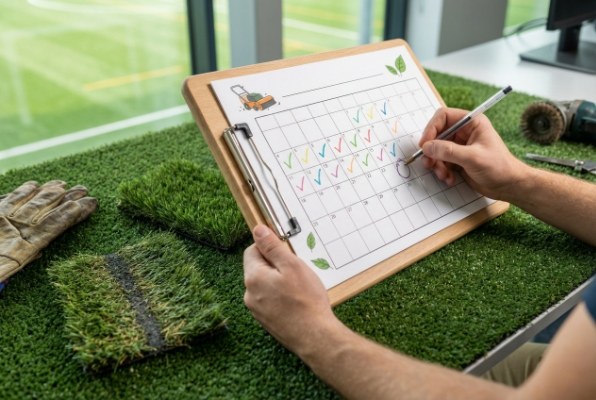
Usage frequency depends on foot traffic. Lightly used areas may only need brushing once or twice a year. High-traffic areas require maintenance once a quarter. Avoid over-brushing to protect fibers and warranties.
Assessing Traffic Levels
You must look at how the field is used. I have a friend, Carlos, who runs a small landscaped garden business. He asked if he should buy a big machine for residential lawns. I told him no.
For a home garden, people do not run on it every day. The fibers stay up longer. You likely only need to power-brush these areas once or twice a year.
However, sports fields are different. If you have a soccer field rented out every night, the fibers flatten quickly. The infill moves around. For these high-traffic zones, I recommend a quarterly schedule. This keeps the pitch safe.
The Risks of Over-Maintenance
More is not always better. I have seen owners brush their turf every week because they want it to look "perfect." This is a mistake.
Artificial fibers are plastic. Power brushes possess strong friction. If you brush too often, you wear down the tips of the grass blades. The fibers will split. We call this fibrillation4.
When fibers split, the field looks white and hazy. It loses its green color. Also, aggressive brushing can pull the fibers out of the backing. This might void the warranty I give you.
Establishing a Routine
You should educate your final customers. Give them a plan.
- Monitor the surface: Look for flat spots in goal mouths or walkways.
- Check infill levels: If you see too much fiber, the infill is low or compacted.
- Brush appropriately: Only brush when the indicators show it is necessary.
Recommended Frequency Guide
| Traffic Level | User Type | Recommended Frequency | Goal |
|---|---|---|---|
| Low | Residential Garden, Decorative | 1-2 times per year | Remove dust about lift fibers |
| Medium | School Playgrounds | Every 6 months | Ensure safety and softness |
| High | Commercial Sports Fields | Every 3 months (Quarterly) | De-compact infill and level surface |
| Extreme | 24/7 Rental Pitches | Monitor monthly | Prevent rapid degradation |
What should you pay attention to when importing artificial turf brushing machines?
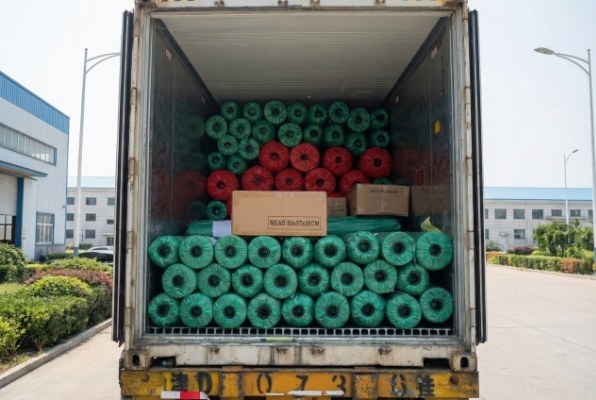
Customs delays cost money and miss project deadlines. Machines get stuck at the port due to simple paperwork errors. Importing equipment with your turf requires careful planning.
When importing, gasoline machines are easier to process if the tank is empty. For electric machines, you must match the voltage and plug to your country. Batteries strictly regulate shipping and require complex safety documents.
Gasoline vs. Electric Machines
I have managed foreign trade sales for many years. I see a pattern. Clients want to fill the container. They buy grass and add a machine. This is smart for shipping costs. But the type of machine matters.
Gasoline-powered brushing machines are generally easier to declare. You must ensure the machine does not contain gasoline. It must be dry. If it is dry, it is just metal and plastic. Customs usually pass this easily.
The Voltage Trap
Electric machines cause more headaches. I had a client in the USA, let’s call him Michael. He bought a machine but forgot to check the voltage. We sent a standard 220V machine. He needed 110V.
He could not use it without a transformer. It was a waste of money.
- USA/Canada/Mexico: Usually need 110V.
- Europe/Asia/Australia: Usually need 220V.
- Industrial Sites: Some need 380V.
You must also check the plug shape. A Chinese plug does not fit a Brazilian socket. I need you to send me a picture of your local socket before we order.
The Battery Nightmare
Batteries are the hardest part. Shipping companies hate batteries. They see them as fire hazards.
If you want a battery-powered brushing machine, get ready for paperwork.
- MSDS Report: Material Safety Data Sheet.
- UN38.3 Test: A specific transport safety test.
- Disclaimer letters: You and I must sign papers freeing the shipper from liability.
Often, the shipping company will refuse the whole container if the battery documents are not perfect. My advice: Buy the machine body from me, and buy the battery locally in your country. It saves time.
Import Checklist Table
| Feature | Action Required | Risk Level |
|---|---|---|
| Gasoline Engine | Ensure tank is 100% empty and dry | Low |
| Electric Motor | Confirm Voltage (110V/220V/380V) & Plug Type | Medium (Usability risk) |
| Battery Power | Request MSDS, UN38.3, and Marine Transport Certs | High (Customs delay) |
| Spare Parts | Order extra brushes and belts in same shipment | Low |
Conclusion
Brushing significantly improves drainage and turf longevity, but you must avoid overuse to protect the fibers. When importing, always verify power specifications and avoid shipping batteries to ensure smooth delivery.
-
Explore how brushing can enhance drainage and prevent water pooling on artificial grass, ensuring a better playing surface. ↩
-
Learn about the impact of compacted infill on drainage and how to maintain optimal conditions for artificial turf. ↩
-
Understand the function of drainage holes in artificial grass and how they contribute to effective water management. ↩
-
Discover the causes of fibrillation and how to avoid it to keep your artificial grass looking fresh. ↩
_画板-1.png)