_画板-1.png)
Tired of seeing your soccer field turn into a muddy mess after a little rain? The constant upkeep of natural grass can drain your budget and limit playing time, which is a big problem.
Artificial turf offers a solution by providing a consistently excellent playing surface that is durable and ready for play in almost any weather. It requires very little maintenance, which saves you a lot of money and time in the long run.
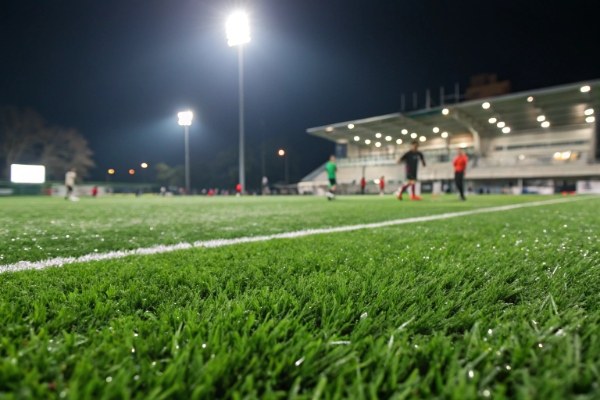
As someone who has spent over 15 years in the artificial turf industry, I’ve seen the struggles clubs face with natural grass. They deal with everything from weather damage to the high costs of continuous maintenance. Many facility managers I talk to are looking for a better, more reliable option. They need a surface that performs well without the constant worry and expense. Let’s look into why so many are making the switch to artificial grass for their soccer facilities.
Why Are Soccer Clubs Switching to Artificial Grass?
Is your soccer club constantly closing its field for repairs? This downtime means lost practice and game opportunities, which can be very frustrating for players and organizers.
Clubs are switching to artificial grass because it allows for significantly more playing hours. The surface is extremely durable and can withstand heavy, repeated use without the long recovery times that natural grass needs after games or bad weather.
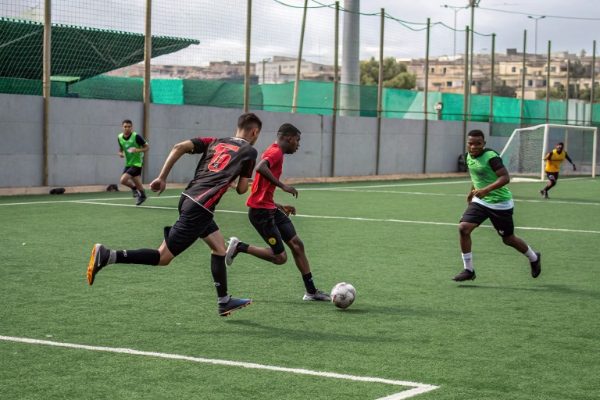
I remember talking to a club owner, let’s call him Michael, who was at his wits’ end. His grass fields were unusable for days after a single rainstorm, causing scheduling chaos. This is a common story. The main reason clubs switch is durability and increased usability1. An artificial field can be used almost 24/7, year-round. This is a huge advantage for clubs with many teams and a full schedule. Also, artificial turf provides a consistent surface2, which means players can count on the field conditions every time they step on it. This reliability is something natural grass just can’t promise, especially in regions with unpredictable weather. It solves the problem of canceled games and helps clubs maximize their investment in the facility.
Key Factors Driving the Switch
| Factor | Natural Grass Challenge | Artificial Grass Solution |
|---|---|---|
| Usability | Limited playing hours; needs recovery time. | Near-constant availability; withstands heavy use. |
| Weather | Becomes muddy, flooded, or frozen. | Excellent drainage; playable in most conditions. |
| Consistency | Surface can be uneven, with bare spots. | Uniform and predictable playing surface. |
| Maintenance | Requires mowing, watering, fertilizing. | Minimal upkeep; no mowing or chemicals needed. |
How Do Artificial and Natural Grass Compare in Performance?
Are your players complaining about an uneven field or unpredictable ball roll3? Inconsistent surfaces can affect the quality of a game and even lead to injuries.
In terms of performance, modern artificial turf is engineered to mimic high-quality natural grass. It provides superior consistency in ball roll and footing. Plus, it maintains these ideal playing characteristics throughout its entire lifespan, unlike natural grass which can degrade.
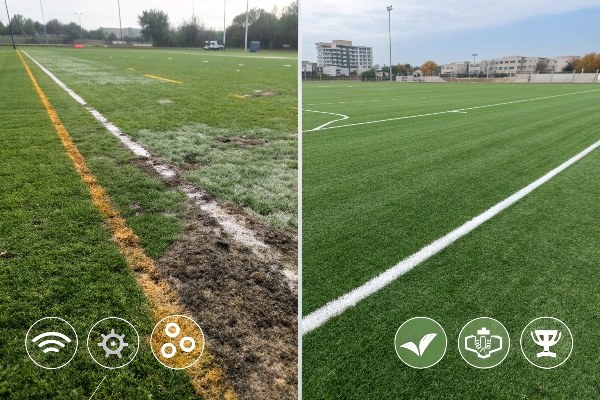
When I first started, many players were skeptical about artificial surfaces. But the technology has improved so much. Today’s professional-grade soccer turf is designed with performance in mind. We focus on creating a surface that allows players to perform at their best. This means the ball rolls true, and players can pivot, slide, and run with confidence. The fiber and infill systems we use are specifically designed to absorb impact and provide stable footing, which helps reduce the risk of certain injuries. One of my clients, a facility manager in Australia named James, told me his players were amazed at the consistency. They said every part of the field played the same, which wasn’t the case with their old natural pitch. That’s the a big performance benefit you get with artificial turf.
Performance Breakdown
- Ball Roll: Artificial turf provides a smooth, consistent surface, so the ball rolls at a predictable speed and distance. Natural grass can have bumps and bare spots that make the ball’s movement erratic.
- Player Footing: The combination of turf fibers and infill provides a stable base for players. This allows for quick changes in direction and secure footing, which is critical in soccer.
- Shock Absorption: High-quality sports turf systems are designed to reduce the impact on players’ joints. The infill, often a mix of sand and rubber, acts as a cushion, much like good soil on a natural pitch.
What Are the Real Long-Term Costs of Each Surface Option?
Worried that the initial price of an artificial turf field is too high? Many club owners see that first number and hesitate, without considering the full financial picture over time.
While artificial turf has a higher upfront cost for installation, its long-term cost4 is often lower than natural grass. This is because it eliminates the continuous expenses of watering, mowing, fertilizing, and repainting lines, making its maintenance costs near zero.
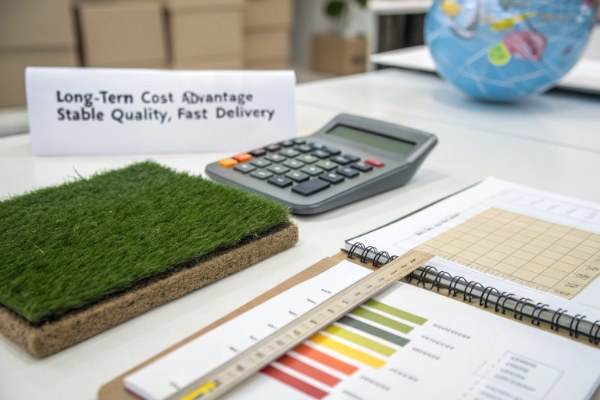
From my experience helping customers like José in Mexico and Carlos in Brazil budget for their facilities, the conversation always comes around to cost. Natural grass seems cheaper at first, but it’s a constant drain on resources. You have to pay for water, equipment, fuel, and labor for mowing, seeding, and fertilizing. These costs add up year after year. With artificial turf, you have a significant one-time investment. After that, your expenses are minimal. You just need to do some basic cleaning and grooming. I always advise my clients to look at the cost over a 10-year period. When you lay it all out, the financial benefit of artificial turf becomes very clear. It’s a smarter investment for most facilities that need a reliable, high-use sports surface.
10-Year Cost Comparison (Estimated)
| Cost Category | Artificial Turf | Natural Grass |
|---|---|---|
| Initial Installation | High ($300,000 – $500,000) | Low ($50,000 – $100,000) |
| Annual Maintenance | Very Low ($2,000 – $5,000) | High ($20,000 – $40,000) |
| Watering/Chemicals | None | High (Varies by region) |
| Total 10-Year Cost | $320,000 – $550,000 | $250,000 – $500,000+ |
| Hours of Play | ~3,000 hours/year | ~800 hours/year |
| Cost per Hour of Play | Much Lower | Much Higher |
How Should You Choose the Right Surface for Your Soccer Facility?
Feeling overwhelmed by all the different types of artificial turf available? Choosing the wrong product can lead to poor performance and a surface that wears out too quickly.
To choose the right surface, you must first define its primary use. For professional soccer, a 40-60mm monofilament turf with sand and rubber infill is best. For smaller, multi-sport courts, a shorter, denser turf is more suitable.
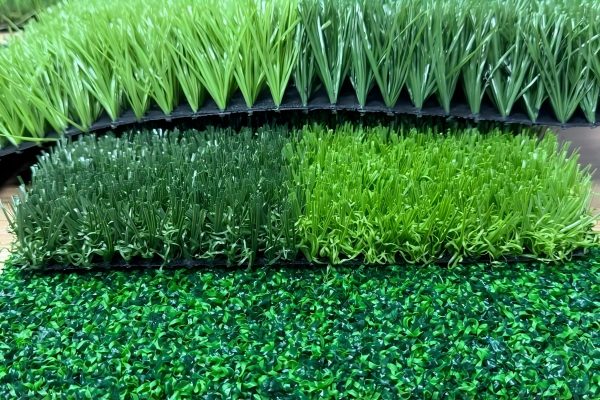
Choosing the right turf is the most critical decision a facility manager will make. I always start by asking my customers, "What is the main purpose of this field?" The needs for a FIFA-certified professional soccer pitch are very different from a school playground or a paddleball court. For large-scale sports like soccer, you need a system that provides excellent resilience and shock absorption. That’s why I recommend a 40-60mm monofilament turf with a quality infill system. The longer pile height helps hold the infill that gives the field its performance characteristics. On the other hand, for sports like tennis or paddleball, you want a shorter, denser turf, often between 10-20mm. These curly or wide-net fibers provide a fast and consistent ball bounce without the need for deep infill. It’s all about matching the product to its intended use to ensure safety, performance, and durability.
Turf Recommendations for Different Sports
-
Soccer:
- Pile Height: 40-60mm
- Fiber Type: Monofilament
- Infill: Sand and SBR/TPE/EPDM rubber
- Reasoning: Provides player safety, ideal ball roll, and durability for heavy use.
-
Paddleball / Tennis:
- Pile Height: 10-20mm
- Fiber Type: Curly or fibrillated (net-like)
- Infill: Primarily sand, or no infill
- Reasoning: Ensures a true, fast-paced ball bounce and consistent footing.
-
Multi-Sport / School Playgrounds:
- Pile Height: 25-40mm
- Fiber Type: Monofilament with a thatch layer
- Infill: Sand and/or rubber
- Reasoning: Offers a good balance of durability for various activities and safety for kids.
Conclusion
Ultimately, artificial grass offers a reliable, low-maintenance, and cost-effective surface. It provides consistent performance for soccer and maximizes playing time, making it a smart investment for any sports facility.
-
Learn how durability and usability can transform sports facilities and player experiences. ↩
-
Discover the importance of a consistent playing surface for athletes and game outcomes. ↩
-
Discover how surface type affects ball roll, which is crucial for gameplay, ensuring you choose the best option for your field. ↩
-
Understanding long-term costs can help you evaluate the true value of your investment in sports surfaces. ↩
_画板-1.png)