_画板-1.png)
Are you confused by the many infill options affecting your project’s success? Choosing the wrong material can ruin performance and waste money on future repairs.
The best choice depends on usage. Silica sand is the standard base. Rubber offers cushioning for sports. TPE and coated sand provide safety and hygiene for families. Specialized infills like zeolite control odors, while organic options offer cooling.
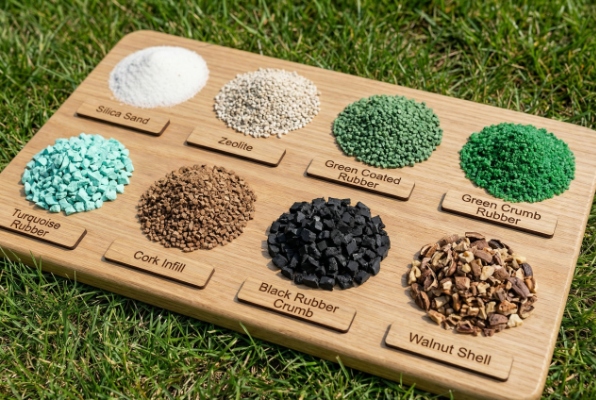
I often see clients struggle with this decision. They buy high-quality grass but choose the wrong infill. This destroys the final result. Let me guide you through the specific options so you do not make a costly mistake.
What Is Silica Sand Infill and When Is It the Best Choice?
Does your turf need a strong foundation to stay upright? Without a solid base layer, grass fibers go flat quickly and look very fake.
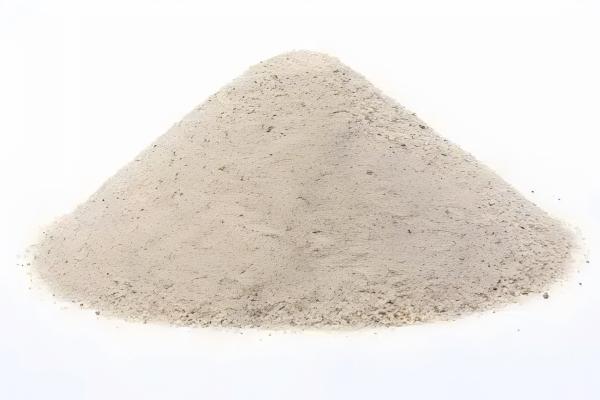
Silica sand is natural quartz. It is the most durable and common base. It stabilizes fibers, adds weight, and improves drainage. It works best for general landscaping and adding stability.
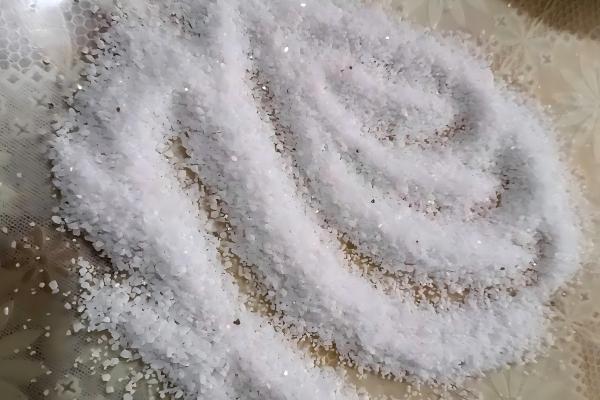
I always tell my customers that silica sand is the backbone of any artificial turf system. It is made from fine, natural quartz sand. The particles are rounded. This shape is important because sharp edges would cut the turf fibers over time.
You use this material to weigh down the turf. This prevents the grass from lifting or moving after installation. It also supports the blades so they stand up straight. Even if you want a softer top layer, you usually need a layer of silica sand at the bottom. It helps with drainage too. Water flows through it easily.
But you must be careful. It can harden over many years if not maintained. For most landscaping projects, this is the most cost-effective choice. It does the job well.
| Feature | Description |
|---|---|
| Material | Natural Quartz |
| Primary Use | Stabilization and Weight |
| Cost | Low |
| Durability | Very High |
What Are Rubber Granules and How Do They Affect Cushioning and Bounce?
Do players complain about hard surfaces or bad ball bounce? Poor shock absorption causes injuries and makes the game less fun for everyone.
Rubber granules are shredded recycled rubber. They provide high resilience and excellent cushioning. They are ideal for sports fields but not recommended for residential use due to aesthetics.
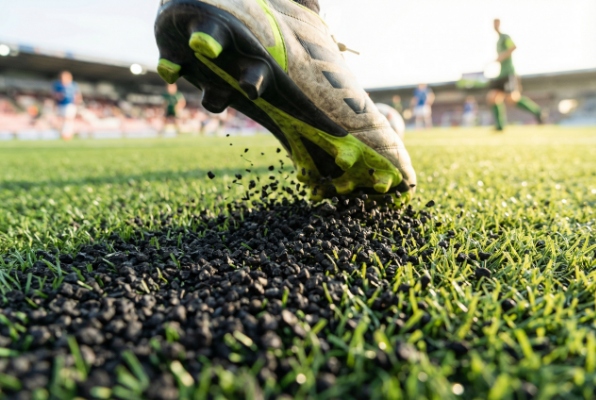
Rubber infill is a classic material in our industry. It is made from shredded recycled rubber products. This includes hoses, rubber rods, and sometimes old tires. It feels very soft under your feet. It gives a high bounce to balls. This makes it perfect for sports.
I need to be honest with you about the smell. Some rubber creates a strong odor in the heat. This is common with recycled tire rubber (SBR). High-quality rubber has a lower odor.
We rarely use this for home gardens now. It is black and gets hot. It can look dirty on clothes. But for sports fields with a tight budget, it is still a top choice. It protects athletes from falling injuries.
| Feature | Description |
|---|---|
| Material | Recycled Rubber |
| Primary Use | Sports Fields |
| Comfort | High Cushioning |
| Odor | Can be strong |
What Are TPE Granules and Why Choose Them Over Traditional Rubber?
Are you worried about toxic materials around children? Safety standards are stricter than ever now, and clients demand non-toxic solutions.
TPE is a non-toxic thermoplastic elastomer efficiently made from recycled plastic. It is safe, recyclable, and creates no dust. It is the top choice for schools and high-end projects.
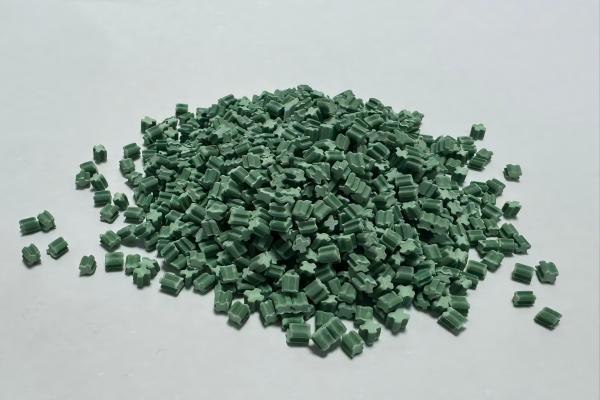
I see a big shift in the market toward TPE. It stands for Thermoplastic Elastomer. We make it from recycled post-consumer and post-industrial plastic waste. This makes it very eco-friendly.
The texture is smooth and clean. It is safe for children to play on. It inhibits bacterial growth and prevents static electricity. This is a major advantage over black rubber. It also does not smell.
It helps reduce sports injuries because it has good resilience. You can recycle it fully when the turf life ends. It meets modern environmental standards.
The price is higher than rubber. But for schools, parks, and home playgrounds, the safety value is worth the cost. It ensures peace of mind for parents.
| Feature | Description |
|---|---|
| Material | Recycled Plastic (TPE) |
| Safety | Non-toxic, Food Grade |
| Recyclability | 100% Recyclable |
| Use Case | Schools, Playgrounds |
What Is Coated Sand Infill and How Does It Improve Performance and Hygiene?
Does regular sand feel too rough or dirty for your client? Luxury buyers demand cleaner, longer-lasting solutions that feel softer.
Coated sand is silica covered in non-toxic acrylic. It resists bacteria, reduces dust, and prevents compaction. It is perfect for playgrounds and high-traffic pet areas.
Coated sand is a high-end upgrade from normal silica sand. We treat the particles with a flexible, non-toxic acrylic polymer. This coating changes everything.
It stops dust from flying into the air. It also reduces the friction against the grass fibers. This means your turf lasts longer. The coating is antibacterial and anti-static.
Regular sand packs down hard over time. Coated sand minimizes this compaction. The surface stays soft and comfortable for years.
I recommend this for luxury villas and commercial lawns. It looks better because it is usually green. It blends in with the grass. It is safer and cleaner. If your customer wants the best balance of looks and performance, this is it.
| Feature | Description |
|---|---|
| Material | Acrylic Coated Silica |
| Hygiene | Antibacterial, Dust-free |
| Maintenance | Low Compaction |
| Best For | Luxury Landscape, Pets |
What Are EPDM Granules and How Do They Perform in Extreme Weather?
Is your installation site facing intense sun and heat? UV rays destroy weak materials rapidly, leading to fading and failure.
EPDM is synthetic rubber designed for extreme weather resistance. It keeps its color and shape under strong UV exposure. It is excellent for running tracks and durable sports fields.
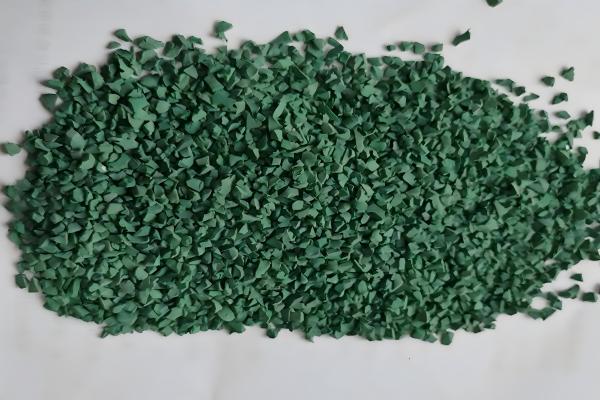
If your project is in a very hot or sunny area, EPDM is a reliable option. It is a highly weather-resistant synthetic rubber. It absorbs impact forces well. This reduces noise when people run on it.
Its physical structure is very stable. It does not deform or fade easily. This ensures a long-term return on your investment. The turf system stays usable for many years.
You can customize EPDM in many colors. This adds visual appeal to playgrounds and sports centers. We use it often for school playgrounds and children’s play centers.
It costs more than recycled rubber. But it lasts much longer in harsh conditions. It proves its value over time.
| Feature | Description |
|---|---|
| Material | Synthetic Rubber (Virgin) |
| Weathering | High UV Resistance |
| Aesthetics | Various Colors Available |
| Durability | Excellent |
What Is Antimicrobial Turf Infill and How Does It Control Odors and Bacteria?
Do you fear bacteria growing in your playground projects? Health concerns can kill a deal fast, especially with schools and parents.
This infill has a special coating that stops mold and bacteria. It reduces smells and keeps the area sanitary. It is essential for schools, daycares, and pet facilities.
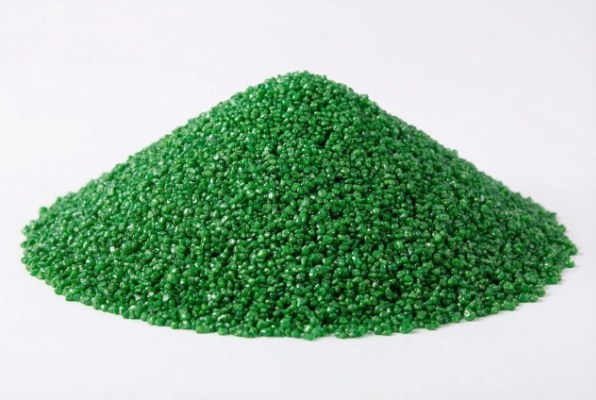
Hygiene is the top priority for children’s play areas and schools. Antibacterial turf infill solves this problem. We add an antimicrobial coating to the granule surface.
This effectively inhibits mold and bacteria growth. It keeps the turf clean and healthy. It also reduces odors significantly.
I find this highly suitable for environments with strict cleanliness rules. It keeps your turf lush and green. At the same time, it creates an odor-free outdoor space.
Parents feel safer knowing the surface fights germs. It adds a layer of protection that normal sand or rubber cannot provide. It is an investment in health.
| Feature | Description |
|---|---|
| Function | Inhibits Bacteria/Mold |
| Benefit | Odor Reduction |
| Target User | Schools, Pet Owners |
| Safety | High Sanitation Level |
What Is Zeolite Infill and How Does It Help With Pet Odor Control?
Does the smell of pet urine ruin the user experience? Standard cleaning often fails to remove these odors, leaving customers frustrated.
Zeolite is a volcanic mineral with a honeycomb structure. It traps ammonia gases to stop smells. It releases them only when rain washes them into the ground naturally.
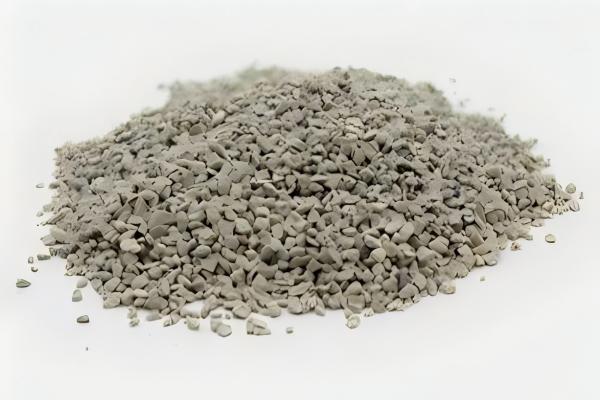
Zeolite is an innovative solution for pet owners. It comes from natural volcanic minerals. The molecular structure is shaped like a honeycomb.
This structure allows it to absorb liquids and gases. It neutralizes ammonia gas from pet urine. This stops the bad smell immediately. It also regulates temperature under sunlight.
The gases stay trapped until it rains. The inorganic substances in rainwater react with the zeolite. This releases the neutralized substances. They wash through the backing into the ground.
It acts like a "natural air purifier." It is safe for kids to play barefoot. It works best in areas that get rain or regular watering.
| Feature | Description |
|---|---|
| Material | Volcanic Mineral |
| Mechanism | Ammonia Absorption |
| Cleaning | Rain/Water Wash |
| Best For | Pet Owners |
What Are Organic Infill Options and Are They Eco-Friendly and Safe?
Do your clients prioritize 100% natural, biodegradable materials? Synthetic options do not fit every ecological vision or local regulation.
Organic infill uses walnut shells, cork, or corn husks. It is biodegradable and keeps the surface cool. It mimics natural soil and holds moisture for comfort.
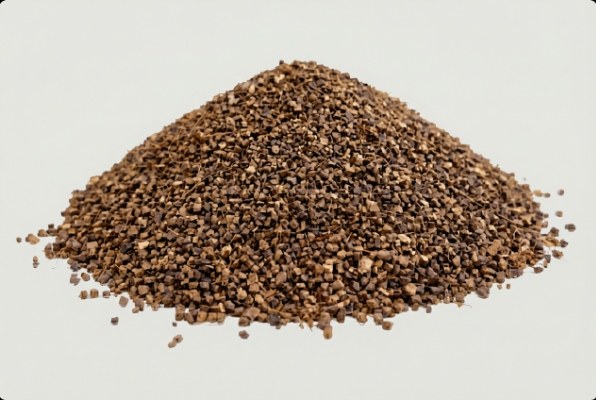
Organic infill is made from natural materials. We use coconut shells, corn husks, olive pits, or walnut shells. It is fully biodegradable and odorless.
It has a low bulk density. It does not get hot like sand or black rubber. It simulates the natural water cycle. It absorbs humidity and releases it to cool the air.
This keeps the turf temperature within 30 degrees Celsius. Even in direct sunlight, it feels comfortable. It embodies the philosophy of "giving back to nature."
I recommend this for families and projects focusing on ecology. It provides excellent shock absorption. It is great for humid areas. It makes the artificial grass feel more like real grass.
| Feature | Description |
|---|---|
| Material | Plant Fibers/Shells |
| Eco-Factor | Biodegradable |
| Temperature | Natural Cooling |
| Feel | Natural and Soft |
What Is Cooling Infill and How Does It Reduce Surface Temperature on Hot Days?
Does the grass get too hot to touch in summer? High heat makes turf unusable and ages the fibers prematurely.
Cooling infill uses hydro-technology to store and release water. It lowers temperatures by 15–20°C through evaporation. It improves comfort and extends the life of the turf fibers.
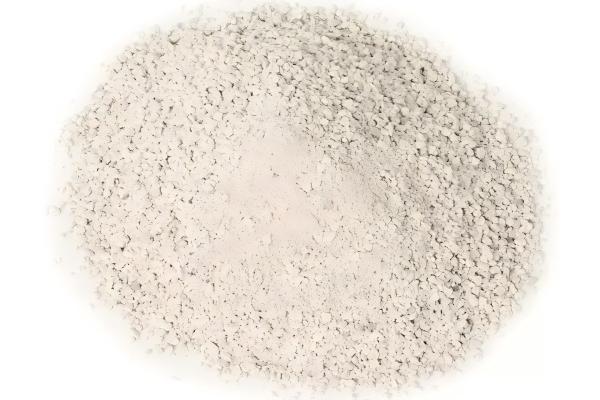
Heat is a major problem for artificial grass. Cooling infill solves this through a triple mechanism. It absorbs moisture, stores energy, and evaporates water.
We typically use coated cooling sand or special mineral materials. This process lowers the surface temperature by 15 to 20 degrees Celsius. This is a huge difference.
It improves the comfort of the turf for users. It also slows down the aging of the grass fibers. Heat makes plastic brittle, so cooling helps it last longer.
Technological innovation is not for showing off. It is for solving real-world problems. This infill makes outdoor spaces usable even on the hottest summer days.
| Feature | Description |
|---|---|
| Function | Temperature Reduction |
| Result | -15°C to -20°C |
| Mechanism | Evaporative Cooling |
| Bonus | Slows Turf Aging |
Conclusion
Choosing the right infill ensures durability, safety, and performance for your specific needs. I hope this guide helps you select the perfect material to maximize your project’s success.
_画板-1.png)