_画板-1.png)
Are you struggling to find durable, safe flooring that isn’t boring carpet? Indoor spaces often lack vibrancy and softness, leaving environments feeling cold and uninviting.
Indoor artificial grass is versatile and can be used in playgrounds, sports fields, gyms, and offices. It acts like a fire-resistant carpet, offering a soft, non-toxic surface. Because indoor grass faces less UV exposure, cost-effective recycled materials can be used, making it a budget-friendly option.
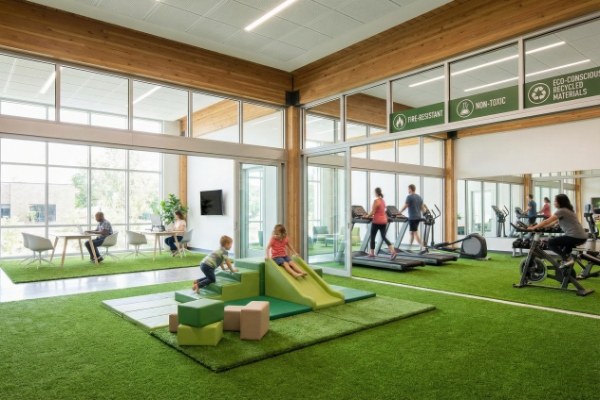
Many people think fake grass is only for the garden. I used to think the same when I started as an engineer in the workshop. But now, I see it solving problems in many buildings. Let us look at specific places where you can install it.
How can indoor artificial grass be used in playgrounds?
Parents worry about hard floors causing injuries while kids play. Standard mats can be ugly and wear out quickly, leaving play areas looking messy.
Artificial turf provides a soft buffer under slides and climbing frames. It is non-toxic and fire-resistant, ensuring safety1. You can use bright colors to create fun patterns, unlike dull rubber mats.
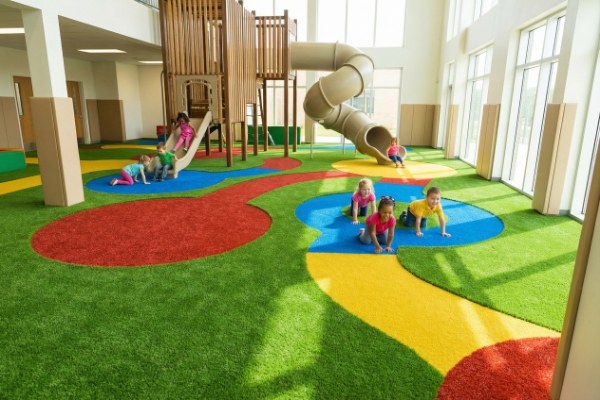
When I design solutions for playground projects, safety is always the first thing on my mind. Children fall often. If they fall on wood or tile, they get hurt. Artificial turf acts as a cushion. We use it mostly in these specific areas:
- Under slides
- Around climbing frames
- In buffer zones between equipment
Besides safety, I want to talk about profit. This is important for your business. Outdoor grass needs expensive UV protection so the sun does not burn it. Indoor grass does not have this problem. Because of this, we can use environmentally friendly recycled materials2 for the grass fibers and the backing. This does not affect the quality inside the house, but it significantly reduces your material costs.
Also, aesthetics matter. You are not stuck with green. We can cut the turf into shapes. You can make partitions or walkways using red, blue, or yellow grass. This creates a lively atmosphere that kids love. It is much better than boring carpet. It is also cleaner. Carpet holds dust and stains easily. High-quality artificial turf is easy to clean and resists wear better than wooden floors.
Comparison: Turf vs. Traditional Indoor Flooring
| Feature | Artificial Turf | Carpet | Wooden Flooring |
|---|---|---|---|
| Impact Absorption | High (reduces injury) | Low to Medium | Very Low |
| Design Flexibility | High (patterns/colors) | Medium | Low |
| Wear Resistance | Excellent | Fair (shows paths) | Good (but scratches) |
| Cost Efficiency | High (Recycled options) | Medium | Low (Expensive) |
Is indoor artificial grass suitable for sports fields, and how is it applied?
Real grass dies quickly indoors without sunlight, ruining the game. Maintaining natural soil inside a building is expensive, messy, and nearly impossible for facility owners.
Artificial turf is the only viable option for indoor field sports like soccer or baseball. It requires no sunlight or watering. It offers a consistent surface that withstands heavy daily use without turning into mud.
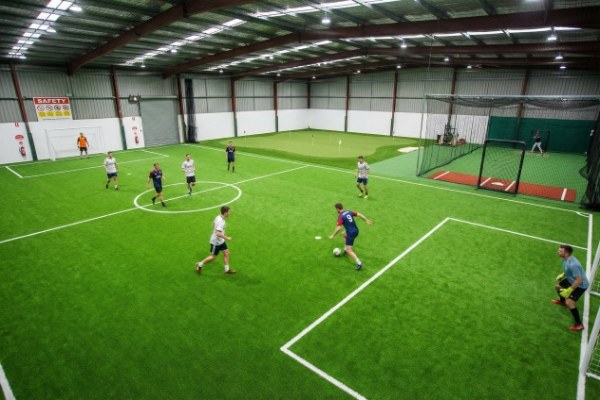
I have helped many sports facility owners who tried to keep real grass alive indoors. It never works. Real grass needs sun. If you want it inside, you need very expensive grow lights and expensive ventilation systems. This eats up all your profit.
Artificial turf is the perfect solution here. It does not care about the sun. It stays green and flat every day. For indoor sports, we usually apply it to the entire floor surface. This is common for:
- Indoor soccer fields (Futsal)
- Practice putting greens
- Indoor baseball batting cages
We look at durability closely. Indoor fields get used more often than outdoor fields because the weather is always good inside. The grass must be strong. Since there is no rain to wash the grass, the material must be easy to clean.
I always tell my customers to check the fire rating3. In an enclosed space, fire safety is critical. Our grass is fire-resistant. This means it will not become fuel for a fire. This keeps your athletes safe and helps you pass building inspections. You simply roll it out like a giant carpet. It transforms a concrete warehouse into a professional sports arena instantly.
Why Real Grass Fails Indoors
- Lighting: Requires expensive artificial grow lights.
- Drainage: Hard to explain to builders how to drain water from inside a building.
- Airflow: High humidity from grass can cause mold on walls.
- Recovery: Real grass needs rest; artificial turf can be played on 24/7.
How is indoor artificial grass used in gyms?
Heavy weights drop and damage gym floors, causing expensive repairs. Concrete floors are too hard for stretching, and rubber mats often smell bad or look industrial.
Gyms use artificial turf for functional training areas4, such as sled pushes and battle ropes. It creates a defined zone for high-friction exercises. It provides excellent traction and protects the subfloor from heavy equipment damages.
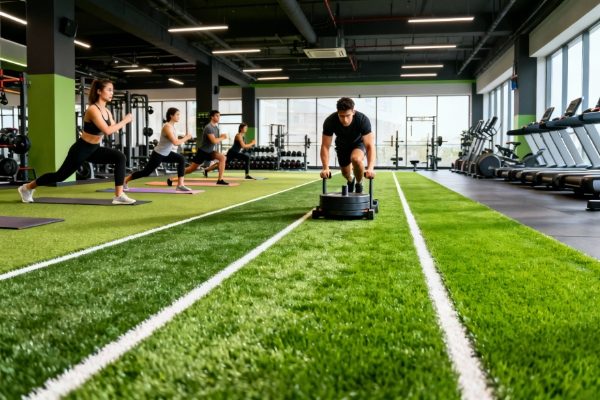
In the gym industry, space management is key to making money. You need to show your customers where to do certain exercises. I see gym owners using artificial turf effectively to mark these zones. It is not just for looks; it has a function.
The most common use is for the "sled push." This is a heavy piece of equipment that you push across the floor. If you push a sled on rubber mats, the friction is too high. The rubber rips. If you push it on concrete, it is too loud and slippery. Artificial turf creates the perfect amount of glide and grip.
Here is how I recommend using it in a gym layout:
- Functional Training Strips: Long, narrow strips of turf. This is perfect for sleds, lunges, and sprints.
- Stretching Areas: A corner of the gym with soft turf. It is cleaner and more comfortable than lying on a sweaty rubber floor.
- Visual Zoning: Use a bright green or blue turf area to separate the weight lifting zone from the cardio zone.
When we install this, we must glue it down tightly. Unlike a garden, gym grass cannot move. It must be stable. The pile height (how tall the grass is) should be short and dense. This prevents tripping. It gives your gym a premium look that justifies a higher membership fee.
Gym Flooring Selection Guide
| Activity | Recommended Floor | Why? |
|---|---|---|
| Sled Push | Artificial Turf | Best glide, protects subfloor. |
| Heavy Deadlifts | Rubber Mats | Shock absorption for drops. |
| Yoga/Stretching | Artificial Turf | Soft touch, cleaner feel. |
| Sprints | Artificial Turf | Good traction for shoes. |
How can indoor artificial grass be used in offices?
Boring gray carpets make office work feel dull and repetitive. Employees often feel disconnected from nature, lowering morale and reducing productivity in the workspace.
You can replace standard carpet with short-pile, curly artificial grass to bring nature indoors. It functions exactly like carpet but adds a unique visual element. It is easy to vacuum and creates a relaxing atmosphere for staff.
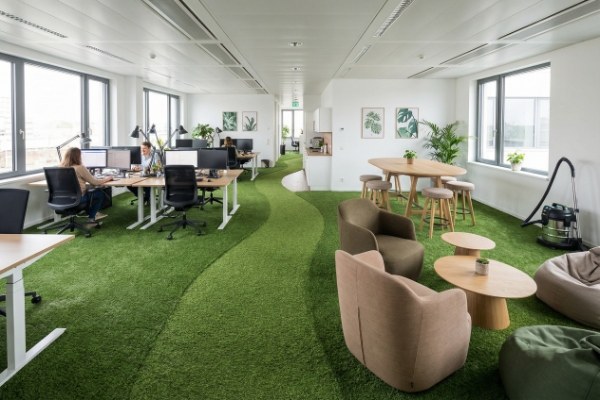
I spend a lot of time in offices, and I know how depressing they can be. One of our clients wanted to change their office vibe without rebuilding walls. We suggested artificial turf. It changed everything. It brings a feeling of the outdoors inside. This helps staff feel relaxed.
But, you must be careful with your choice. This is where my technical background helps you. Do not buy long landscape grass for an office.
- The Problem with Long Grass: Food crumbs, paper clips, and staples fall into it. It is very hard to vacuum. Ladies wearing heels will trip or get stuck. Furniture will not sit flat.
- The Solution: Use short-pile, curly grass (often called texturized grass).
Short curly grass looks like a green carpet. It is very dense. Dirt stays on top, so your cleaning crew can vacuum it easily just like normal carpet. We use this strictly for:
- Breakout Areas: Places where staff drink coffee or brainstorm.
- Meeting Rooms: To make meetings feel less formal and stressful.
- Pathways: To guide people through the office.
It creates a "wow" factor for visitors. It shows your company is modern and creative. Plus, maintenance is almost identical to the carpet you already have. You just vacuum it. There is no special washing needed.
Office Grass Buying Checklist
- Pile Height: Keep it under 15mm.
- Density: Must be high density to support office chairs.
- Style: Choose "Curly" or "Texturized" fibers.
- Fire Rating: Essential for office building codes.
Conclusion
Indoor artificial turf offers versatile, cost-effective solutions for playgrounds, sports, gyms, and offices. It provides safety, durability, and better aesthetics than traditional flooring while using budget-friendly recycled materials.
-
Learn how artificial turf improves safety in playgrounds by providing cushioning and reducing injury risks. ↩
-
Discover the benefits of using recycled materials in artificial turf, promoting sustainability and reducing costs. ↩
-
Understand the significance of fire ratings in ensuring safety and compliance for indoor sports facilities. ↩
-
Learn about the importance of functional training areas in maximizing workout efficiency and space management. ↩
_画板-1.png)