_画板-1.png)
Seeing incredibly low artificial turf prices is tempting for your purchasing budget. But cheap quotes often hide secrets that ruin your profit margins later. I will show you exactly what happens inside the factory.
Artificial grass becomes cheap due to China’s efficient supply chain or, more commonly, manufacturers cutting corners. Suppliers reduce costs by using recycled yarn, lowering UV inhibitors, using cheap masterbatch, and diluting backing glue. While cost-effective, these tactics often result in premature fading and structural failure outdoors.
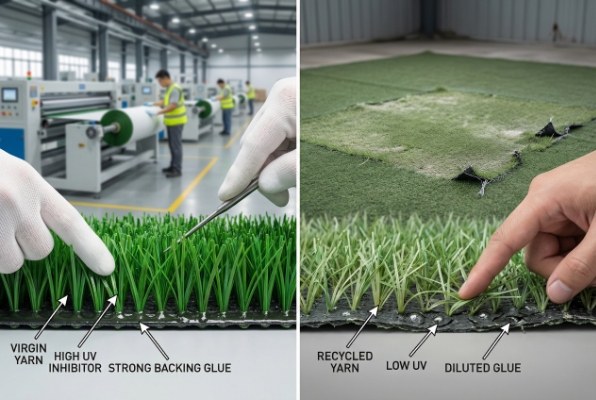
I have seen many buyers lose money because they did not understand these production tricks. They see a low price and place an order, only to face complaints later. Let me explain the specific factors that lower the price so you can make safe decisions for your business.
What Key Factors Determine the Cost of Artificial Grass?
You need to know where your money goes. Understanding the cost structure helps you spot a deal that is too good to be true and protects your investment.
The main costs come from the weight of the yarn, the quality of the backing materials, and the amount of UV inhibitors used. In China’s competitive market, these are the first places factories look to save money when offering ultra-short prices.
I have worked in this industry for a long time. By 2025, China produces over 60% of the world’s artificial turf. Only about 10% stays here; the rest goes to export markets like yours. We have a developed supply chain that lowers raw material costs naturally. However, the competition is fierce. Many factories want your order, so they drop prices to win you over. But how do they do it?
The cost of plastic particles is fixed. To offer a lower price, manufacturers must reduce the quality of the three specific areas.
| Cost Factor | Why it Matters | How They Cut Costs |
|---|---|---|
| Yarn Weight | This determines the density and feel. | They use lighter yarn or lower Dtex (thickness). |
| Backing Quality | This holds the grass together. | They use weaker fabrics or less latex glue. |
| UV Inhibitors | This protects against the sun. | They reduce the percentage of this expensive additive. |
If a supplier offers a price far below the market average, they are likely manipulating these three factors. They might lower the pile height slightly or make the grass less dense. These changes seem small, but they reduce the lifespan of the product. You get what you pay for. If you buy based on price alone, you usually lose the most expensive part of production: the durability.
What Common Practices Make Artificial Grass Cheap, and What Are Their Implications?
Some cost-cutting methods are visible, but the dangerous ones remain hidden. You must learn to spot these tricks to protect your inventory quality and company reputation.
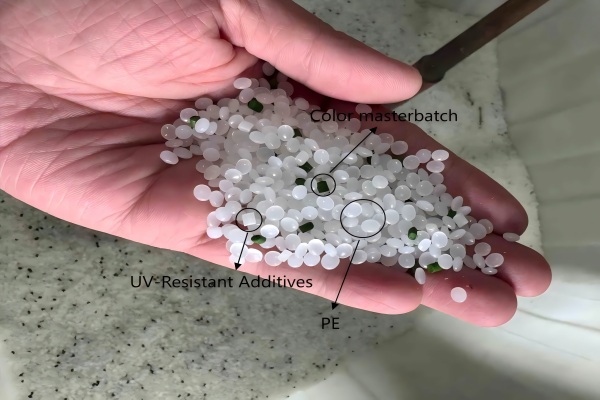
Suppliers create cheap turf by using recycled materials for yarn, reducing expensive UV inhibitors, and using low-grade color masterbatch. They might also thin the pile density or dilute the backing glue with excessive water and calcium powder to fake a heavy feel.
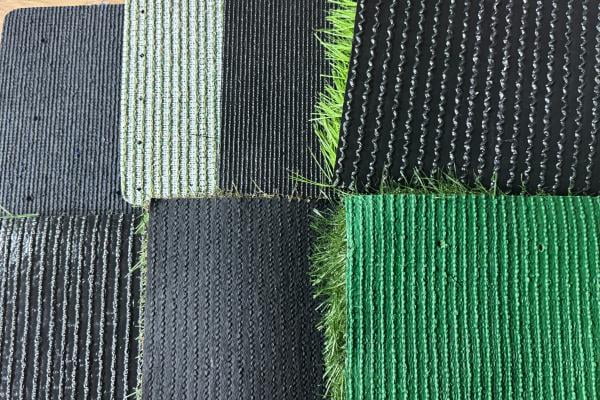
Let me break down the tricks I see often in the workshops. There are two types: those you can see and those you cannot. The invisible ones are the most dangerous for your business.
The Invisible Tricks:
- Recycled Materials1: Factories use old plastic to make yarn. It is hard to see with the naked eye. Even if they add UV inhibitors, this yarn degrades fast. It often has uneven colors.
- UV Inhibitors2: This is critical for markets like Brazil or Saudi Arabia. Without enough inhibitors, grass lasts only 10-12 months. Some factories add just a tiny amount, which gives you maybe 2-3 years before it cracks. You cannot see this shortage until it is too late.
- Color Masterbatch3: Good color granules are expensive. Cheap color saves the factory over $2000 per ton. The result? Your grass will have stripes or fade quickly.
The "Secondary Back Coating" Trick:
This is a very common trick in China right now. The factory wants to save money on expensive latex glue.
- Step 1: They mix a small amount of latex (maybe 250kg) with a huge amount of water, calcium powder, and other cheap fillers (750kg). They apply this poor mixture to the backing.
- Step 2: They apply a very thin layer of pure, high-quality latex on top.
It looks beautiful. It looks strong. But this is a trap. The calcium powder absorbs water. After one rainstorm or soaking, the bond breaks. The fiber falls out, and the backing dissolves. This leads to serious quality claims from your customers.
Is Cheap Artificial Turf Unsafe, and What Risks Should You Know?
Safety is a major concern when buying budget products. Not all cheap turf is bad, but you need to understand the intent behind the manufacturing and the risks involved.
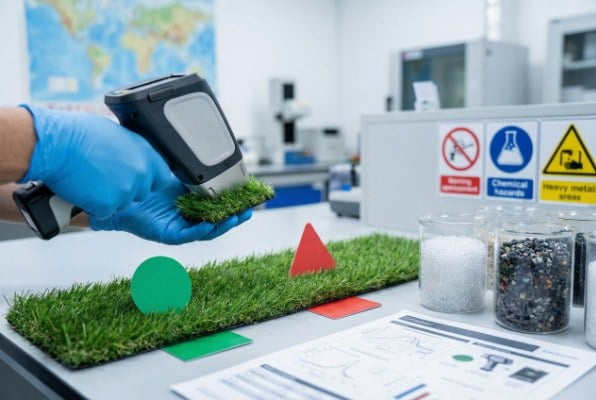
Extremely cheap turf often contains high levels of heavy metals or harmful substances due to unregulated recycled plastics. While some affordable recycled options exist for specific indoor uses, general low-cost outdoor turf often poses health and safety risks to end-users.
I want to be honest with you. Not every low price means "danger." At QH Grass, we also produce affordable turf using recycled PE. But we are transparent about it.
I have a long-term partner in Brazil. He orders three containers of this recycled turf every month. Why is this safe? Because we communicated clearly. I told him: "This product uses recycled material. The UV resistance is lower because of the secondary extrusion. You should only sell this for indoor use or shaded areas." He understands the market positioning. He sells it correctly, and his customers are happy.
The Real Safety Risk
The danger comes when suppliers use "garbage" recycled material without telling you.
- Heavy Metals4: Cheap recycled plastics often come from unknown sources. They can contain lead or other toxins.
- Hidden Composition: If you do not ask about the product composition, the factory might give you toxic turf.
If you sell this unsafe turf for a playground or a home garden, you risk legal trouble. The impact on your brand is huge. You must confirm the samples. You must ask: "What is in this yarn?" If you do not have this conversation, the low price is not a savings; it is a liability. You need to know exactly what you are selling to avoid after-sales disasters.
Why Should the B2B Sector Resist Ultra-Low Prices in Artificial Turf, and What Are the Long-Term Impacts?
Chasing the lowest price often results in business failure. Your reputation depends on the reliability of the products you sell to your local market over the long term.
Relying on ultra-low prices destroys your brand reputation when products fail prematurely. It leads to expensive compensation claims and loss of trust. Resisting prices below production cost ensures you get stable quality that sustains your business and protects your profit margins.

Think about your future in this industry. If you choose the cheapest supplier without checking the quality, you might make a quick profit on the first sale. But then the problems start.
The products will fail. The grass will fade in the sun. The backing will crack. Your customers will demand compensation. I have seen companies go bankrupt because they had to refund huge projects. They saved a few cents on the turf but lost their entire business.
The Fundamental Rule: No supplier engages in long-term unprofitable business.
- Vicious Competition: When prices drop below the cost of raw materials, the quality must drop too.
- Who Pays?: The factory does not pay for this low price. You do. The end-user does.
- Resistance: You should resist prices that are obviously below cost. It is a trap.
By paying a fair price, you get a guarantee. You get stability. At QH Grass, our initial goal is for you to make a profit. We offer very competitive wholesale prices, but we refuse to cut corners that destroy the product. With stable quality, your customers return. This is the only way to achieve greater profits and success. A solid supplier relationship is your best asset.
Conclusion
Cheap turf results from cutting corners on yarn, UV inhibitors, and glue. Avoid ultra-low prices to protect your reputation. Choose stable quality from honest partners like QH Grass for long-term success.
-
Explore the implications of recycled materials in turf to understand their long-term effects on quality and durability. ↩
-
Learn about the critical role of UV inhibitors in extending the lifespan of artificial grass, especially in harsh climates. ↩
-
Discover how the quality of color masterbatch can impact the appearance and longevity of your artificial grass. ↩
-
Understanding the risks of heavy metals in turf can help you make informed decisions for safety. ↩
_画板-1.png)